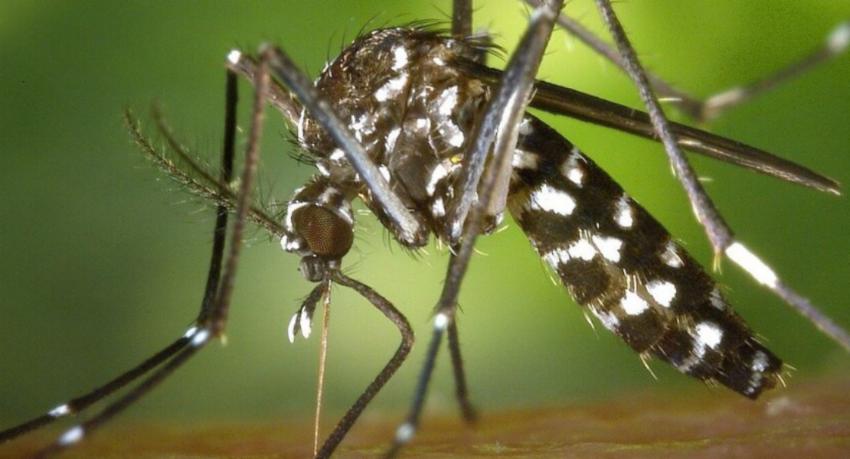
The number of dengue cases reported daily in Sri Lanka has dropped by 80%, the National Dengue Control Unit (NDCU) said on Friday.
Acting Director of the NDCU, Dr. Kapila Kannangara, attributed the reduction mainly to work to eliminate mosquito breeding sites and to fumigation programmes carried out in recent months.
A special discussion reviewing the dengue control programmes run over that period is scheduled to be chaired by Presidential Secretary Nandika Sanath Kumanayake, Dr. Kannangara said. NewsFirst, which reported the figures, did not give a date for the meeting.
The numbers behind the claim
The NDCU did not publish a baseline alongside the 80% figure. Health officials said earlier this month that daily case numbers had fallen from roughly 1,300 to between 350 and 400 following the same control measures — a decline of about 73% on those figures.
A total of 8,043 dengue cases were recorded across the island in the first 20 days of August, the NDCU said in a separate statement on Friday. That is well below July, which remains the worst month of the year with 29,964 infections, and below June’s 21,533. The cumulative caseload for 2026 has reached 93,381, up from a total that passed 93,000 on Thursday. Seventy-one dengue-related deaths have been reported so far this year, putting the case fatality rate at 0.076%.
The improvement is measured against an exceptionally heavy year rather than a normal one. Monthly totals earlier in 2026 ran between roughly 5,700 and 8,600 before climbing steeply in June and July.
Where the cases are
The Western Province accounts for 49,440 cases, or 52.94% of the national total. The Southern Province has recorded 13,697 and the Central Province 8,441.
At district level Gampaha leads with 19,888 cases, followed by Colombo on 18,535 and Kandy on 6,755. Matara has reported 6,077, Kalutara 6,040, Galle 5,122 and Ratnapura 4,979. The Colombo Municipal Council area alone accounts for 3,760.
Seventy-six Medical Officer of Health areas across the island are still classified as high-risk. Health authorities repeated their call for the public to clear mosquito breeding sites around their homes and to seek treatment promptly for fever.
Two things happening at once
A pilot project to raise community participation in dengue control launches on Friday in selected Medical Officer of Health divisions in the Colombo District. The Health Ministry said it will test new ways of encouraging behavioural change among the public, and will run surveys intended to make existing control programmes more effective.
The same day, Public Health Inspectors — who carry out most of the routine larval surveys and premises inspections that underpin the control effort the NDCU is crediting — reported sick island-wide in a token strike over a transfer at the airport health office, having withdrawn from all dengue control duties from Thursday.
Neither the NDCU’s statement nor NewsFirst’s report addressed what effect the withdrawal may have on the trend.