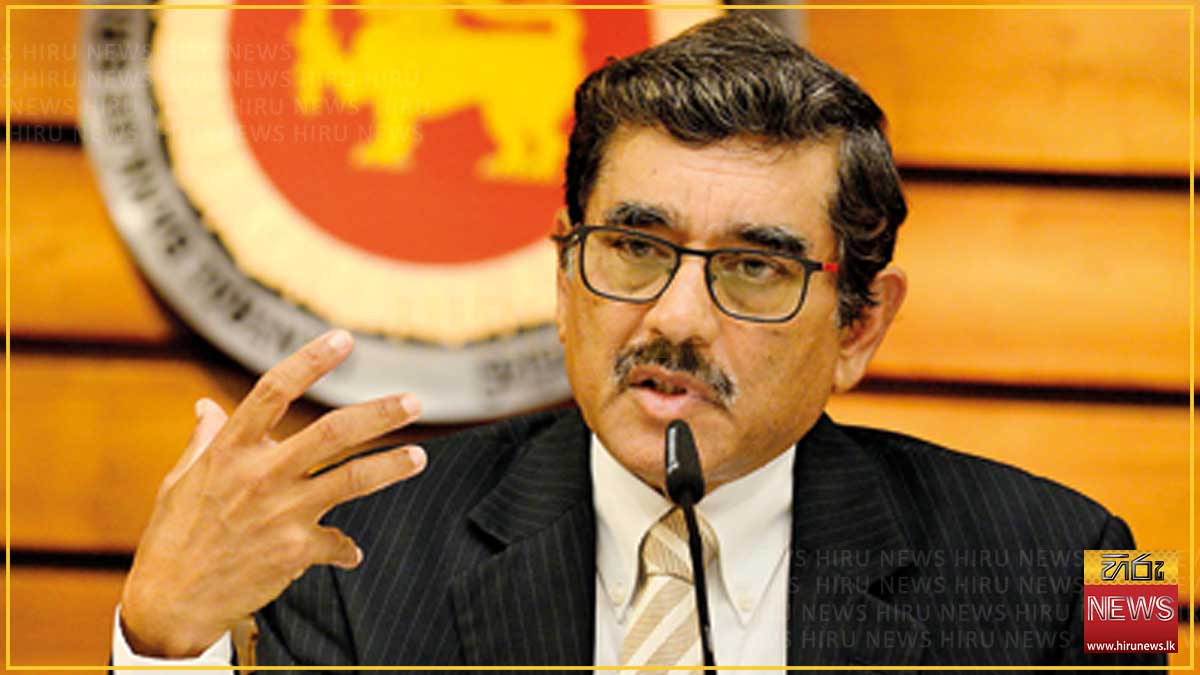
An International Monetary Fund staff team led by Evan Papageorgiou has concluded a two-week visit to Sri Lanka without reaching a staff-level agreement, saying discussions will continue “in the near term” toward completing the Seventh Review of the country’s Extended Fund Facility.
The mission, which ran from 10 to 23 September, covered both the EFF review and the 2026 Article IV Consultation.
What the Fund found
Papageorgiou described the economy as “remarkably resilient to successive shocks.” Economic activity expanded 4.2 percent in the second quarter of 2026, an eleventh consecutive quarter of growth. Gross official reserves reached US$6.9 billion at end-August, banks remained well capitalised and profitable, the first-half fiscal outturn was strong, and debt restructuring is “largely completed.”
Headline inflation rose to 8 percent year-on-year in August, which the Fund attributed to the global oil price shock, though it said expectations remain broadly anchored.
Where it pushed back
The IMF flagged downside risks from the duration and intensity of the Middle East war, global trade policy and El Niño. It called for a medium-term revenue strategy, a broader tax base, and the rationalising of tax exemptions and incentives, alongside cost-recovery energy pricing to limit fiscal risks from state enterprises. It also urged action on bottlenecks holding up capital spending, including Cyclone Ditwah reconstruction.
On monetary policy, the Fund recommended retaining the current 5 percent inflation target and accountability band, saying the existing framework preserves flexibility amid food and energy price volatility. A lower target “could be considered at the next review” once a track record of low and stable inflation is established.
Its sharpest note concerned governance: “Select clauses from the recently tabled amendments could weaken transparency and accountability,” the statement said, referring to proposed changes to the anti-corruption legislative framework — a Bill that drew a Supreme Court determination earlier this week. Papageorgiou later set out the Fund’s three specific objections to those amendments in detail.
The team met President and Finance Minister Anura Kumara Dissanayake, Prime Minister Dr. Harini Amarasuriya, Central Bank Governor Dr. P. Nandalal Weerasinghe and Treasury Secretary Dr. Harshana Suriyapperuma, among others, and travelled to Jaffna to assess the Northern Province’s economic potential.
The government’s side of the anti-corruption question
A readout of the Prime Minister’s 22 September meeting with Papageorgiou at Parliament, issued by the government, shows the disputed anti-corruption amendments were raised directly. Attention was drawn to “the importance of maintaining the balance between the privacy and transparency of information” reported to the Commission to Investigate Allegations of Bribery or Corruption through asset declarations — the government’s framing of the same clauses the Fund warned could weaken accountability.
Amarasuriya said engagement with the IMF had been a positive experience marked by open and transparent dialogue, and noted the government’s commitment to maintaining stability and strengthening resilience through a sequence of external shocks. She said future engagement with development partners should focus on achieving sustainable, accountable and inclusive growth.
The meeting was attended by IMF Resident Representative Martha Tesfaye Woldemichael, Secretary to the Prime Minister Pradeep Saputhanthri, Additional Secretary Sagarika Bogahawatta and Central Bank representatives.
The mission also met Opposition Leader Sajith Premadasa, who pressed the Fund on what would determine whether Sri Lanka needs a successor programme after the EFF ends.