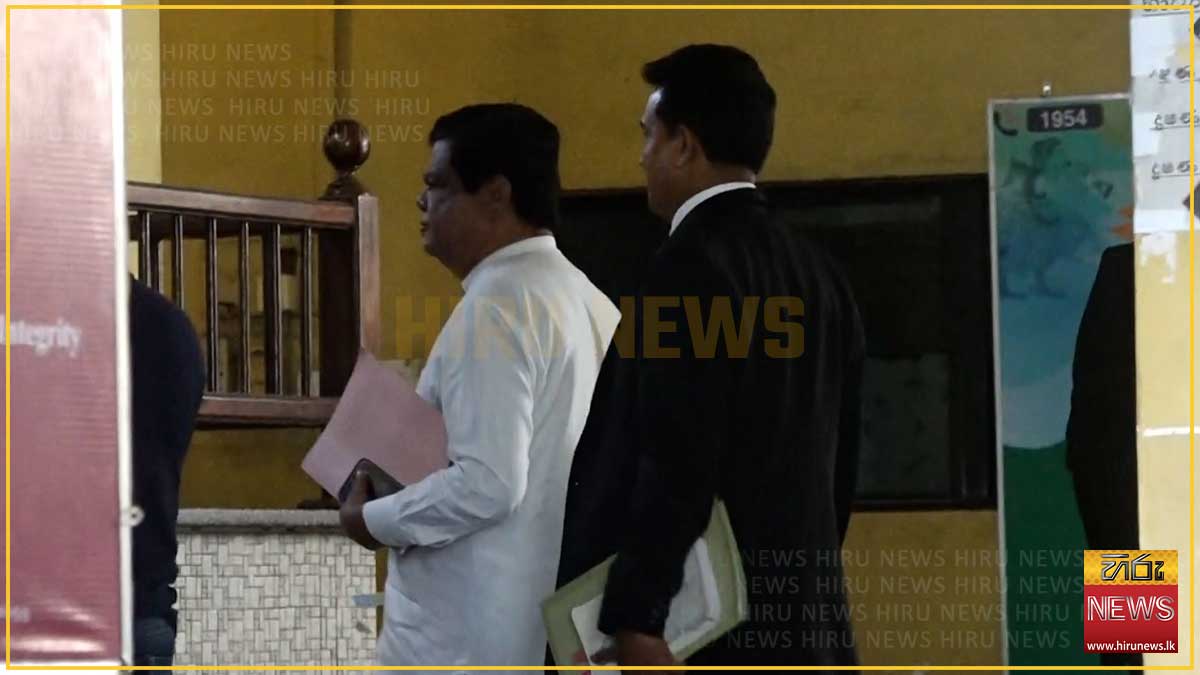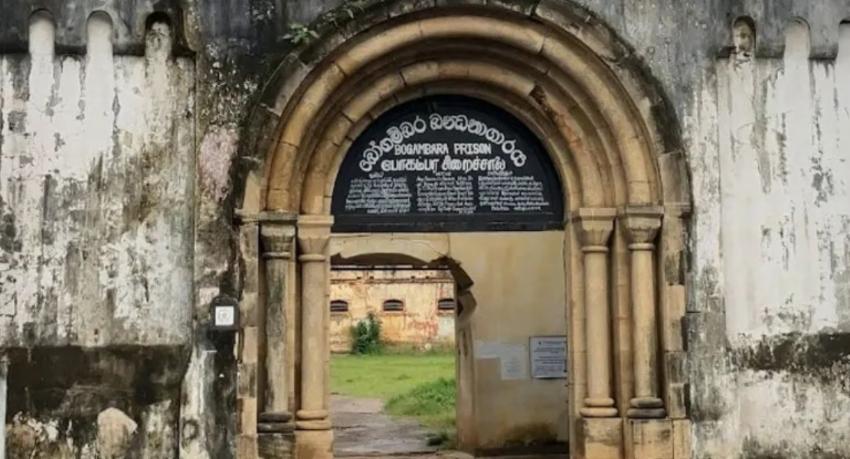
The Court of Appeal issued a warrant on Tuesday for the arrest of Bodu Bala Sena general secretary Ven. Galagoda Aththe Gnanasara Thera, after he failed to appear before court in the contempt proceedings that revived his prison sentence. The court ordered that he be produced before court on October 1, and directed that the warrant be executed through the Inspector General of Police, the Daily Mirror reported.
The order was delivered by a two-judge bench of Justices Mayadunne Corea and Lakmali Karunanayake.
What the court was asked to do
The Attorney General has filed a motion seeking directions from the Court of Appeal to give effect to the Supreme Court judgment that annulled the presidential pardon granted to the Thera by then-President Maithripala Sirisena in May 2019.
That judgment, delivered on 10 September, held the pardon null and void and left him owing the balance of a six-year sentence for contempt of court, imposed over his conduct at the Homagama Magistrate’s Court in 2016 during proceedings on the disappearance of journalist Prageeth Ekneligoda. He had served roughly nine months when the pardon came.
The hearing
Gnanasara Thera was not present. Hiru News reported that President’s Counsel Anura Meddegoda, appearing for him, told the court his client was recovering from an illness and asked for a future date to study the motion before making submissions.
State Counsel Sajith Bandara countered that the matter involves a criminal case, and asked the court to issue a warrant if the accused failed to appear. The court adjourned briefly at the defence’s request. When the matter was taken up again, it issued the warrant.
Why this step was needed
The warrant resolves the procedural deadlock that has run since the pardon was annulled. Prison officials went to his temple in Nawala on September 14 to begin returning him to custody and were told by monks there that they did not know where he was. A prison official explained at the time that the Department of Prisons can take no step unless the Thera surrenders or police take him into custody — it receives a person, it does not go and find one.
Routing the warrant through the IGP supplies exactly the missing piece: an order directed at the police, who can.
Since the Supreme Court ruling he has sought a fresh presidential pardon, and the chief incumbent of a Mihintale temple launched a signature campaign seeking one.
Not reported
No outlet reported where Gnanasara Thera is, what illness was cited, or whether any medical documentation was placed before the court. None says what happens if he is not produced on October 1.
Update, 1 October: open warrant issued, with a travel ban
He was not produced on October 1. After he failed to appear for a second consecutive day, the Court of Appeal escalated the order to an open warrant for his arrest, the Daily Mirror reported. The same two-judge bench of Justices Mayadunne Corea and Lakmali Karunanayake again directed that it be executed through the Inspector General of Police, and ordered that he be arrested and produced before the court.
An open warrant is not addressed to a single officer or station — any police officer may execute it, anywhere in the country, without a further application to court. It is the step that follows when a named warrant has not produced the person.
The court also imposed an overseas travel ban barring him from leaving Sri Lanka, and directed that the Controller General of Immigration and Emigration be informed of the restriction, Newswire reported. The Daily Mirror’s account does not mention the travel ban.
That addresses the second half of the problem described above. The warrant routed through the IGP supplied police authority to detain him; the immigration notice closes the exit. Together they answer the question the 29 September reporting left open — what happens if he is not produced — without answering the one that still matters: where he is.
Neither outlet reports his whereabouts, whether the illness cited on 29 September was pressed again, or what medical material, if any, was placed before the court.