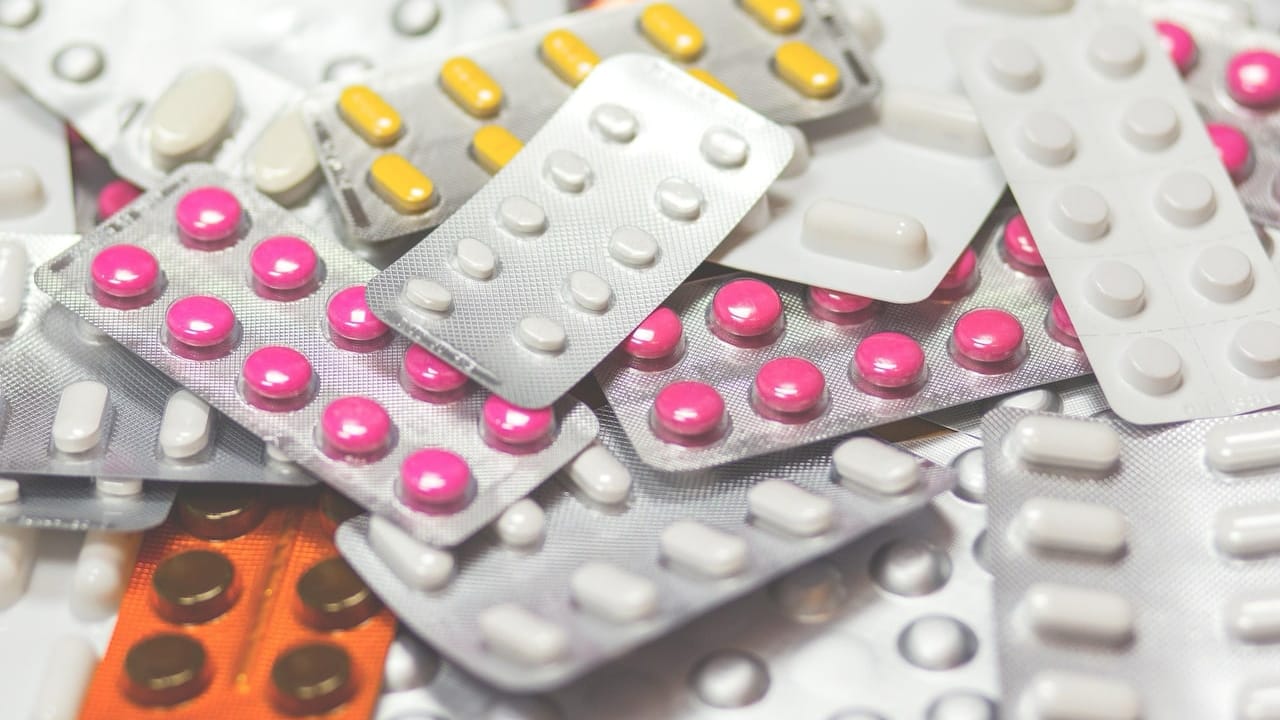
Sri Lanka’s National Medicines Regulatory Authority expects to enforce maximum retail prices on roughly 90% of imported medicines over the coming year, working brand by brand through more than 6,000 registered formulations.
NMRA chairman Ananda Wijewickrama set out the timetable at a media briefing in Colombo, EconomyNext reported. The determinations are being made as pharmaceutical companies submit applications for their annual import permits.
Brand by brand, not molecule by molecule
The scale of the exercise comes from pricing each registered brand separately rather than each drug.
“These 6,000 medicines exist under various brand names. For example, if we take the medicine called Metformin, I think it is registered under more than 30 brand names. We determine prices for all 30 of these separately,” Wijewickrama said.
The mechanism would cover the majority of active commercial imports within a 12-month window. Medicines brought in only for occasional state tenders may fall outside the cycle, but active commercial imports will be capped. Pricing will remain an ongoing process, revisited to reflect movements in raw material costs and the exchange rate.
Guarding against inflated import pricing
To prevent companies from declaring inflated landed costs, the Authority is benchmarking cost, insurance and freight (CIF) values directly against domestic retail prices in the manufacturing country — India or Bangladesh, in most cases.
All approved maximum retail prices are to be published on the NMRA website for consumers to check. Wijewickrama said standardised prices would also remove regional disparities, where pharmacies in Jaffna, Anuradhapura and Colombo sell the same product at different prices.
The counter-argument
Price caps are intended to shield patients from overcharging and bring down the cost of treatment. The objection, as EconomyNext notes, is that multinational pharmaceutical companies may withdraw products from a small market such as Sri Lanka rather than supply them at a controlled price — a risk that bears directly on availability. In September the Health Minister told Parliament that 33 of 618 essential medicines were out of stock.
The Authority has pointed to savings from the caps already in force, telling the same round of briefings that price regulation on 13 high-priced medicines produced an estimated Rs. 5.7 billion saving for the government. This is distinct from the revision of maximum retail prices on 60 medicines announced in June 2026, which was driven by dollar appreciation.
Not reported
The briefing as reported does not say how many of the 6,000 formulations have been priced so far, what share of the market the excluded state-tender imports represent, or whether any supplier has yet signalled withdrawal. Note also that the chairman’s surname is rendered “Wijewickrama” by EconomyNext and “Wijewickrema” in the Daily Mirror’s account of the same round of briefings.