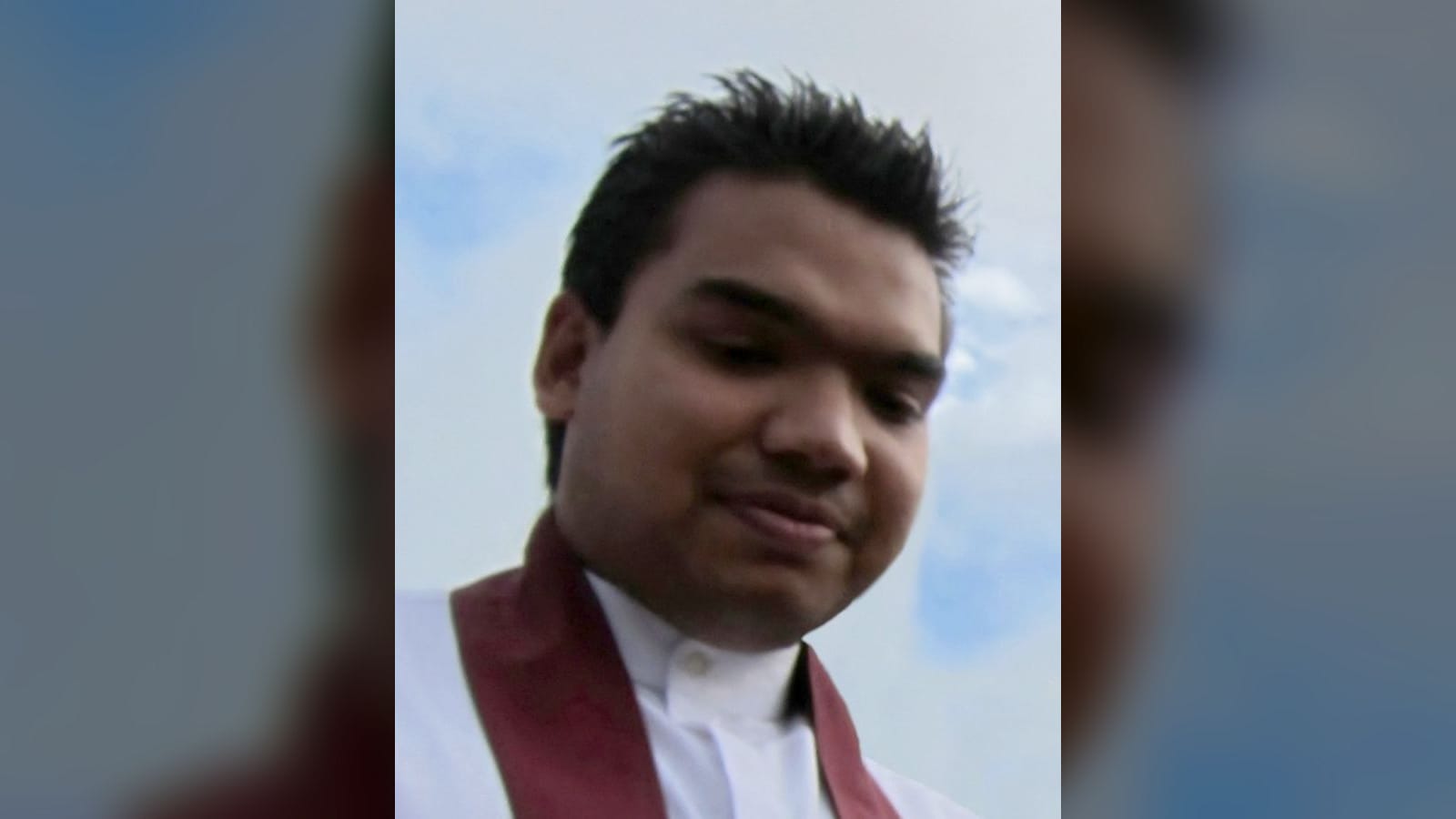
Assaults, torture and deaths among people held in state custody cannot be treated as isolated incidents, SLPP parliamentarian Namal Rajapaksa has said, arguing that protecting the lives of detainees is the government’s responsibility.
Writing on his official X account, Rajapaksa said his own period in custody had made clear that those beyond the prison walls are also people whose lives depend on the security provided by state institutions, Hiru News reported on Monday.
“When the rule of law is applied selectively, it loses its meaning. Justice must be served beyond political advantage,” he said. A person’s liberty may be restricted, he added, but their right to life, dignity and security cannot be taken away.
The three cases he connects
Rajapaksa cited the deaths at Negombo Prison, where 28 people died, and said post-mortem reports disclosed in court found that 17 died from gunshot wounds and 11 from assault. Those two figures account for the full toll he gives.
He set that alongside two deaths in police custody: Ishara Harsha Kumara, 29, who died in Homagama police custody, and a 41-year-old man at Kobeigane, Kurunegala. Together, he argued, the cases raise serious questions about the treatment and safety of people held by the state.
Update, 2 November — a third case, recovered from a second source. The Homagama death was missing from the Hiru News account this article was first written from, which named only Negombo and Kobeigane. The Daily Mirror’s report of the same statement carries all three, and names the Homagama victim. The section above has been corrected from two cases to three. The Daily Mirror renders the name “Ishara Harshakumara”; this desk uses Ishara Harsha Kumara, the spelling carried across its existing reporting on the case.
Nearly four months after the Negombo deaths, he said, forensic medical reports have still not been received, and the question of accountability remains unresolved. He noted that the Human Rights Commission has also turned close attention to the matter and called for independent investigations.
Context
This desk reported the Negombo prison deaths and the Rs 2 million compensation decision on 12 July. The interval to Monday is three months and three weeks, consistent with the “close to four months” Rajapaksa describes.
The Kobeigane case is more recent and still moving. A man detained over alleged thefts died after being taken into police custody in late October; a police sergeant was arrested and the Human Rights Commission summoned officers in the days that followed, as reported here on 1 November.
The Homagama case is the furthest advanced of the three. Ishara Harsha Kumara died after being taken into custody in late October; a medical report found broken ribs and bleeding on the brain, the Crimes Division OIC was arrested and remanded to 12 November, the headquarters inspector was suspended, and the Human Rights Commission summoned the OIC. That it is the most documented of the three makes its absence from the first account of this statement the more notable.
Readers should note the speaker’s own position. Rajapaksa is himself facing prosecution in two separate bribery cases and has been the subject of recent bail proceedings — the period in custody he refers to. That does not bear on whether his factual claims are accurate, but it is the context in which the statement was made.
Not reported
The filing does not state when the post-mortem findings were disclosed in court or in which proceedings, which authority is holding the outstanding forensic reports, or what has caused the delay. It gives no government response. The Kobeigane man is still not named by either outlet, and no filing reports whether the three matters are being investigated by the same body.