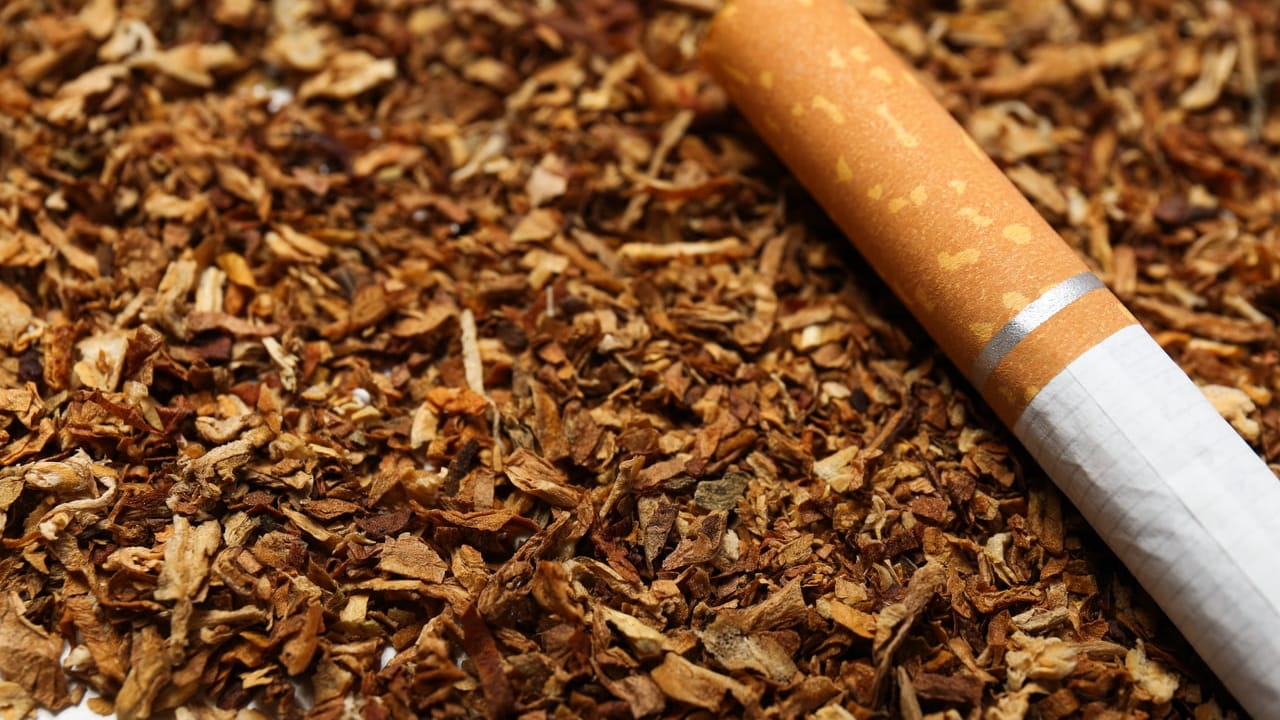
Sri Lanka has the most expensive cigarettes in the world when measured against purchasing power parity, according to World Health Organisation data cited in a new Oxford Economics assessment.
The finding appears in a report that the Daily Mirror described on Monday, and it arrives attached to an argument: the assessment uses Sri Lanka’s position to question whether the WHO’s global tobacco tax benchmark is a sound measure of policy success.
The argument against the benchmark
The WHO sets a 75% tobacco tax incidence target — that is, taxes should make up at least three-quarters of a cigarette’s retail price. The Oxford Economics assessment argues that hitting a specific tax incidence rate does not necessarily translate into lower smoking prevalence, and that national economic realities rather than a uniform global target should guide tobacco taxation policy.
The report states there is little meaningful relationship between the proportion of taxes in cigarette retail prices and overall smoking rates, and that countries with higher tax incidence rates do not necessarily record lower levels of smoking.
It draws support from the WHO’s own material. The assessment cites a WHO document concluding that the share of taxes in the retail price of cigarettes is not, in itself, an important indicator of tobacco control success, and which emphasises that the retail price — rather than the proportion of it attributable to tax — plays the larger role in influencing smokers’ consumption decisions. The WHO’s Technical Manual on tobacco taxation likewise acknowledges that tax share alone is insufficient to guarantee the success of demand-reduction policies.
On that reading, the assessment argues, a country’s progress should be judged by the relationship between taxation, retail prices and smoking behaviour, rather than by whether it has reached a predetermined tax share.
What the filing does not establish
Readers should treat the headline claim carefully, because the report as described supplies none of the figures that would let anyone check it.
- No price is given. The filing does not state what a packet of cigarettes costs in Sri Lanka, in local currency or in PPP-adjusted terms.
- No comparison is given. No second country is named, and no ranking table or margin is reported.
- No smoking data is given. Sri Lanka’s smoking prevalence, and its actual tobacco tax incidence rate, are both absent — although the assessment’s central claim is about the relationship between the two.
- No commissioning party is named. The filing does not say who commissioned or funded the Oxford Economics assessment. Readers evaluating a report that argues against a WHO tobacco tax benchmark will want to know that, and it is not reported.
Context
Tobacco pricing in Sri Lanka has been shaped by successive tax increases, and cigarettes remain among the more heavily taxed consumer goods. This desk has reported repeatedly on the enforcement consequences, including Customs destroying smuggled cigarettes worth Rs 677 million last week — a trade whose economics follow directly from a high domestic retail price.
That connection is the one point on which the assessment’s framing and Sri Lanka’s recent record clearly agree: a high retail price changes behaviour, including the behaviour of smugglers.
Update — a second newsroom confirms the account
Hiru News filed on the same assessment on Monday evening, reporting that Oxford Economics, working from World Health Organisation data, found Sri Lanka to be the country where cigarettes sell at the highest price in the world when compared on purchasing power parity.
Its account matches the Daily Mirror’s point for point: the report questions the success and practicality of the WHO’s recommended 75% tobacco tax share; argues a uniform global target applied without regard to each country’s economic realities is unproductive; states there is no direct relationship between levying a higher share of the retail price as tax and a fall in the number of smokers, noting that some high-tax countries show no significant decline in smoking; and cites the WHO’s own technical manuals for the point that smokers’ decisions are driven by the final retail price rather than by the tax percentage.
The conclusion is rendered identically — that tobacco tax policy should be guided by a population’s purchasing power, retail price levels and smoking behaviour rather than by a globally prescribed tax share.
With two distinct verified newsrooms now carrying the assessment, this article’s credibility rating rises to Corroborated.
Two cautions survive the second filing. Neither newsroom supplies any of the missing figures listed above — no price, no comparator country, no prevalence data — and neither names who commissioned the assessment. Corroboration here establishes that both outlets are describing the same report accurately; it does not independently verify the report’s finding.
A note on Hiru’s English headline: its URL and English title render the finding as Sri Lanka having “the highest number of cigarettes in the world based on affordability”. The Sinhala headline says ලොව ගණන්ම සිගරට් — the most expensive cigarettes. The English rendering converts a price claim into a quantity claim, which would be a different and considerably stranger finding. This article follows the Sinhala, which matches the Daily Mirror.