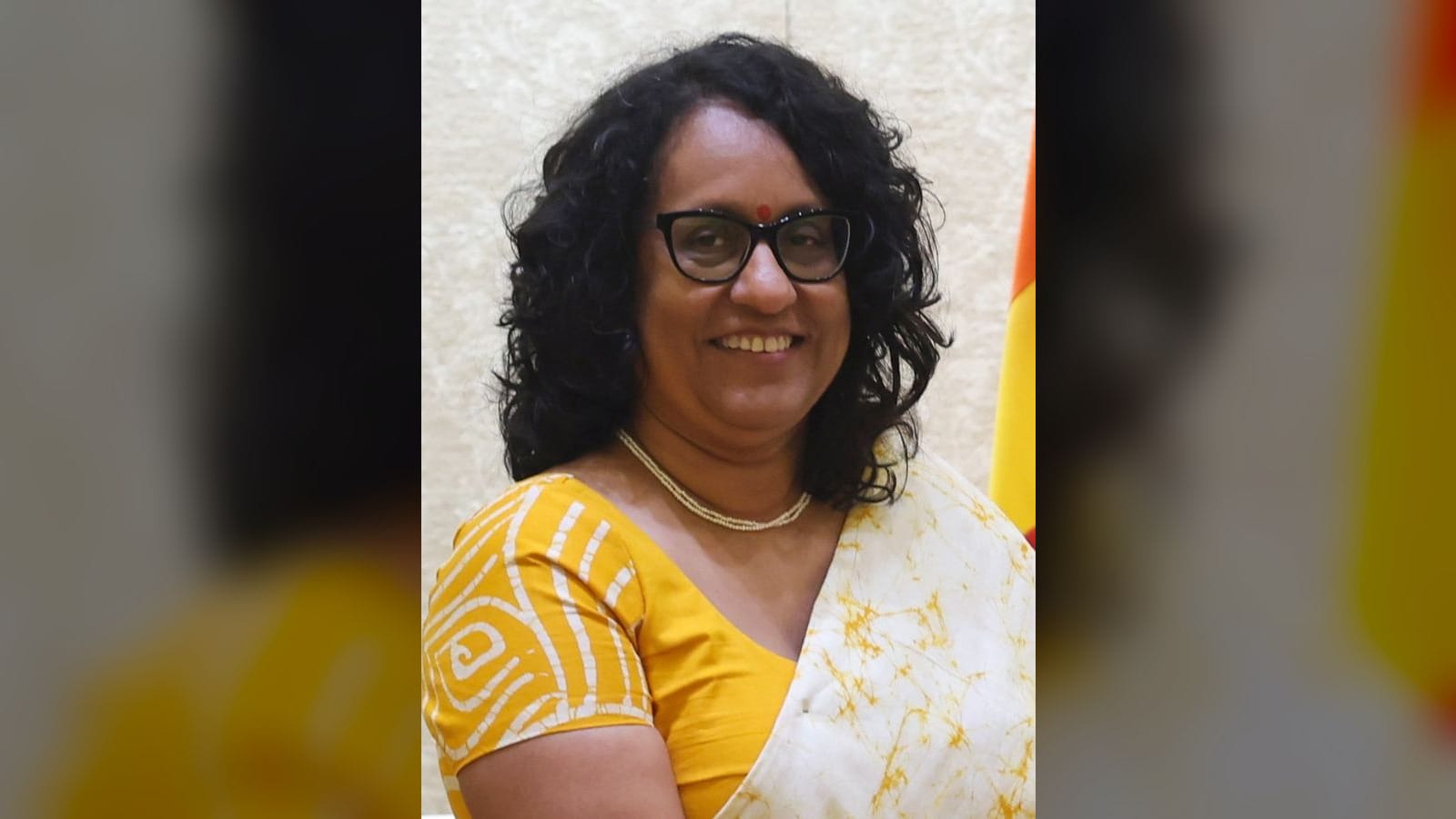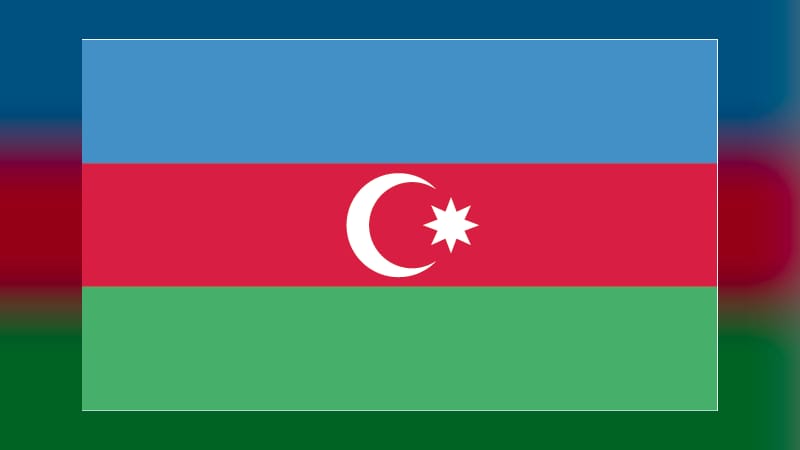
Sri Lankan public officers are to receive training and internships in Azerbaijan under a Memorandum of Understanding signed between the Ministry of Public Administration and Azerbaijan’s ASAN Service.
The agreement was signed on 7 November by Prof. Chandana Abayarathna, Minister of Public Administration, Provincial Councils and Local Government, on Sri Lanka’s behalf, the Daily Mirror reported.
The MoU is aimed at modernising public administration and improving the efficiency of public service delivery, with particular emphasis on the skills of officers who deal directly with the public.
It works on a train-the-trainer basis: Sri Lankan trainers will be trained in Azerbaijan, then develop and run programmes at home, passing on what they learn. The agreement is expected to deliver improvements over the next three years.
Where it was signed
The MoU was signed on the sidelines of the United Nations Governance Innovation Summit, held on 5 and 6 November at the Gulustan Palace in Baku under the theme “Advancing Future-Ready Institutions.”
The summit was organised jointly by the UN Department of Economic and Social Affairs and Azerbaijan’s State Agency for Public Service and Social Innovations, and drew ministers and senior officials from more than 100 countries, along with international organisations, development partners, the private sector and academia.
Addressing a panel in the summit’s second session, Abayarathna stressed public service reform, digitalisation and the strengthening of public trust, and argued that services must be accessible, simple and efficient for all — particularly rural communities and vulnerable groups.
What ASAN is
ASAN Service is Azerbaijan’s one-stop public service delivery model, which consolidates functions from multiple government agencies into single centres with standardised processes. It has been presented internationally as a template for administrative reform, and Azerbaijan has been actively exporting it: reporting of the same Baku summit indicates ASAN signed memoranda with Djibouti and the UN’s ESCWA alongside the Sri Lankan agreement.
Not reported
The filing does not say how many officers will be trained, which grades or services they will come from, who bears the cost, or whether any Sri Lankan institution is designated to host the resulting programmes. It does not say whether the MoU envisages adopting the ASAN one-stop-centre model in Sri Lanka or only drawing on its training methods, and it sets out no milestones within the three-year horizon.
Coverage of the signing appeared on Azerbaijani state and news agency outlets, which are not among the newsrooms this desk treats as verified for corroboration; no other verified newsroom had carried it at the time of writing.