
Business
Sri Lanka's tea output fell 8.6 percent in September, Central Bank figures show
Tea production dropped to 20.3 million kg from 22.2 million kg a year earlier, and coconut output fell in July and August, Hiru reported.
Tea production dropped to 20.3 million kg from 22.2 million kg a year earlier, and coconut output fell in July and August, Hiru reported.

The National Single Window for Trade has been gazetted for 124 HS codes, mainly coconut, coir and tea products, two weeks after its pilot launch.

Tea gets a Rs 5 billion fertiliser subsidy and 500 new tea villages, while coconut, rubber and palmyrah receive separate allocations under the 2027 Budget.
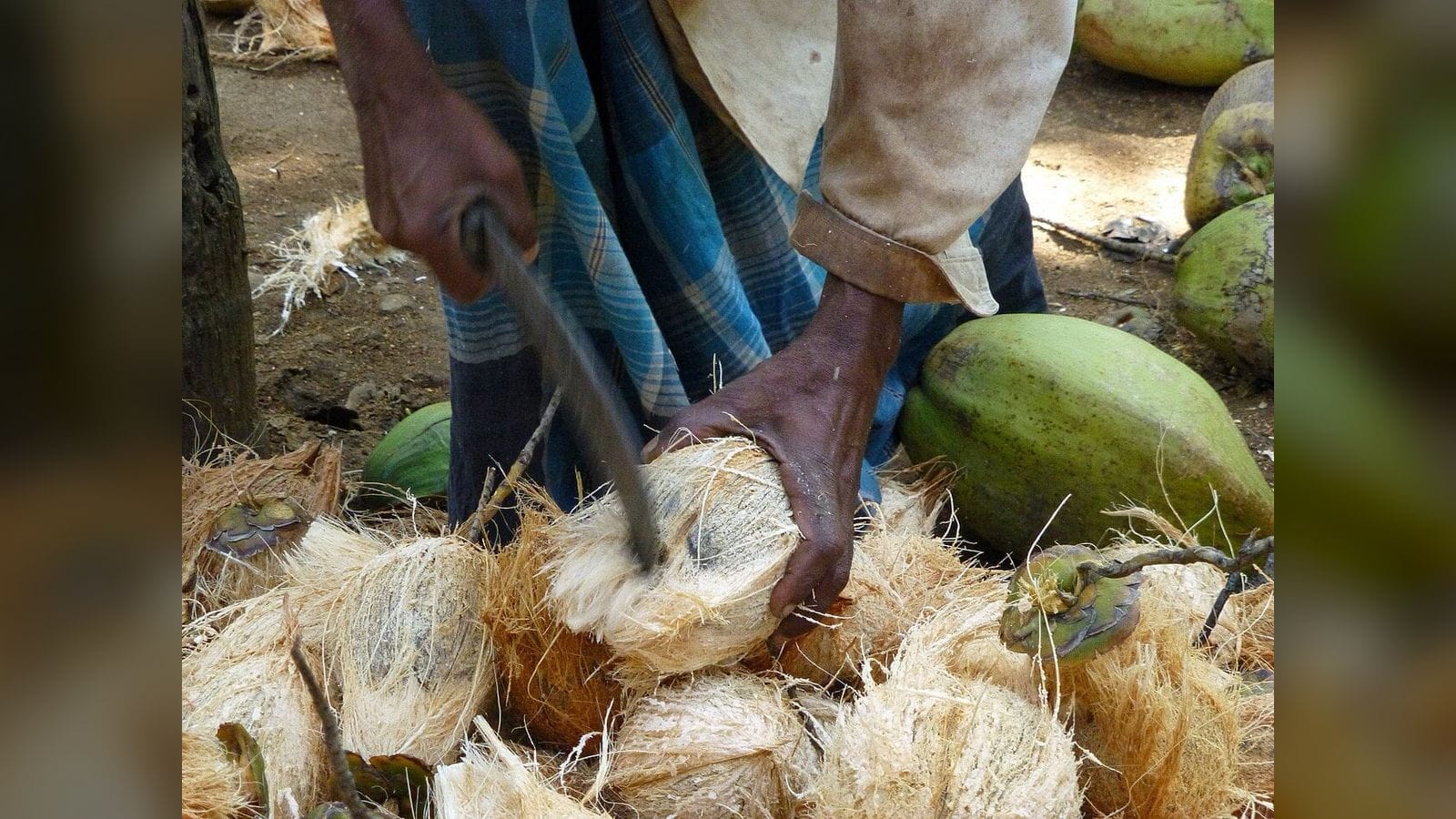
Samantha Vidyarathna told Coconut Research Institute officials to target current field problems and deliver practical answers without delay.
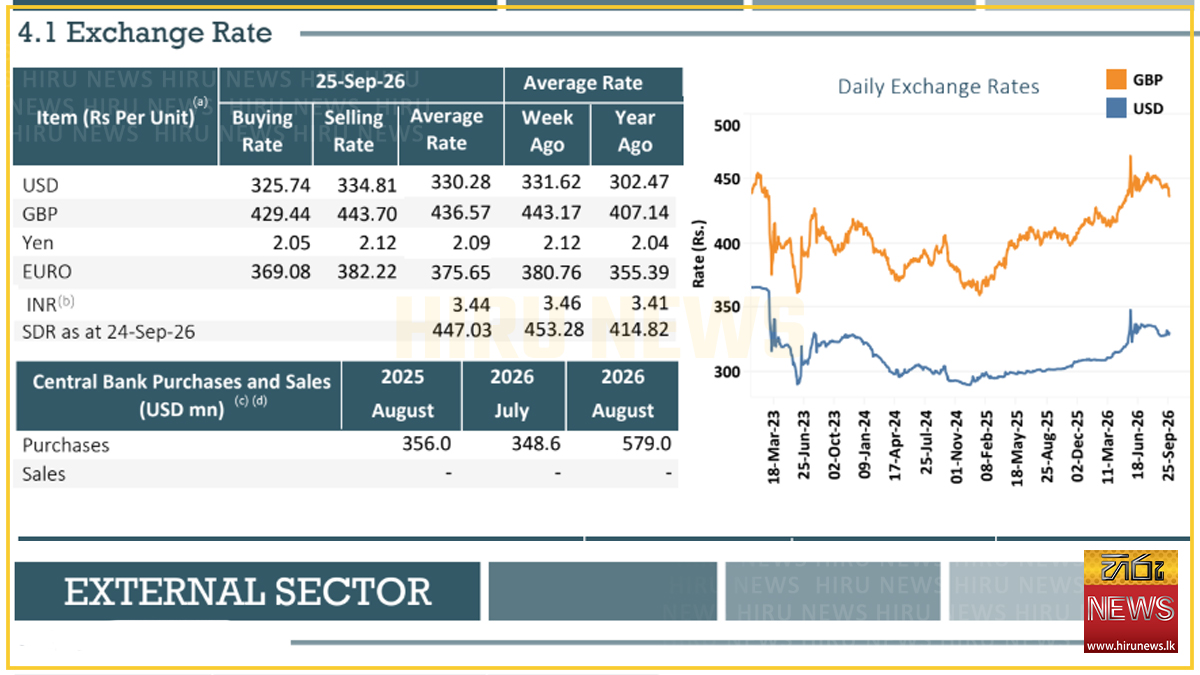
Central Bank data show year-on-year declines in tea and coconut production from January to July, with July's tea fall the mildest of the year so far.

August merchandise exports declined 1% to US$1.27bn; transport and logistics surged 51% to become Sri Lanka's largest services export.

Some processed-food shipments were held for months over documentation, while rubber exporters said local raw material now costs more than imported supply.
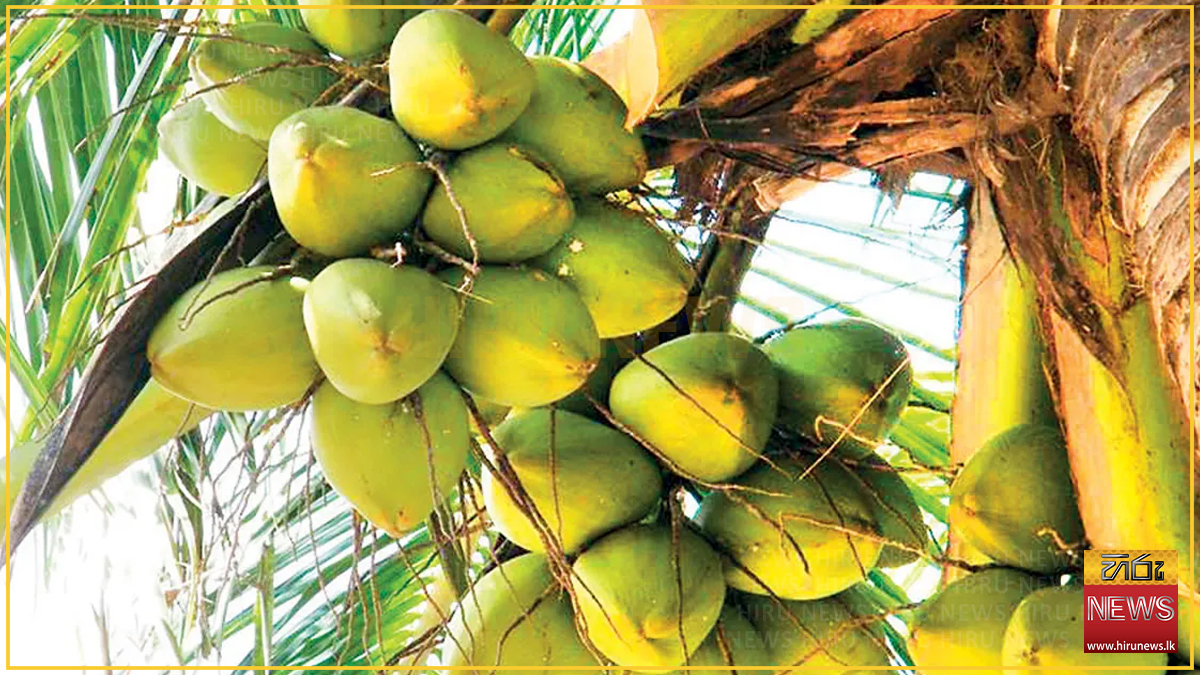
CCB Chairman Dr. Sunimal Jayakody says annual yield is down even though output rose 24% in the first six months. The two figures are not explained.

CCB Chairman Dr. Sunimal Jayakody says El Niño has not hit coconut cultivation yet, but a Rs. 2,500 million subsidy is ready if dry weather persists.
CRI chairman Ajith Jayaweera says the dry spell may hit the 2027 coconut crop if it persists, even as this year's yield runs 11% ahead of last year.
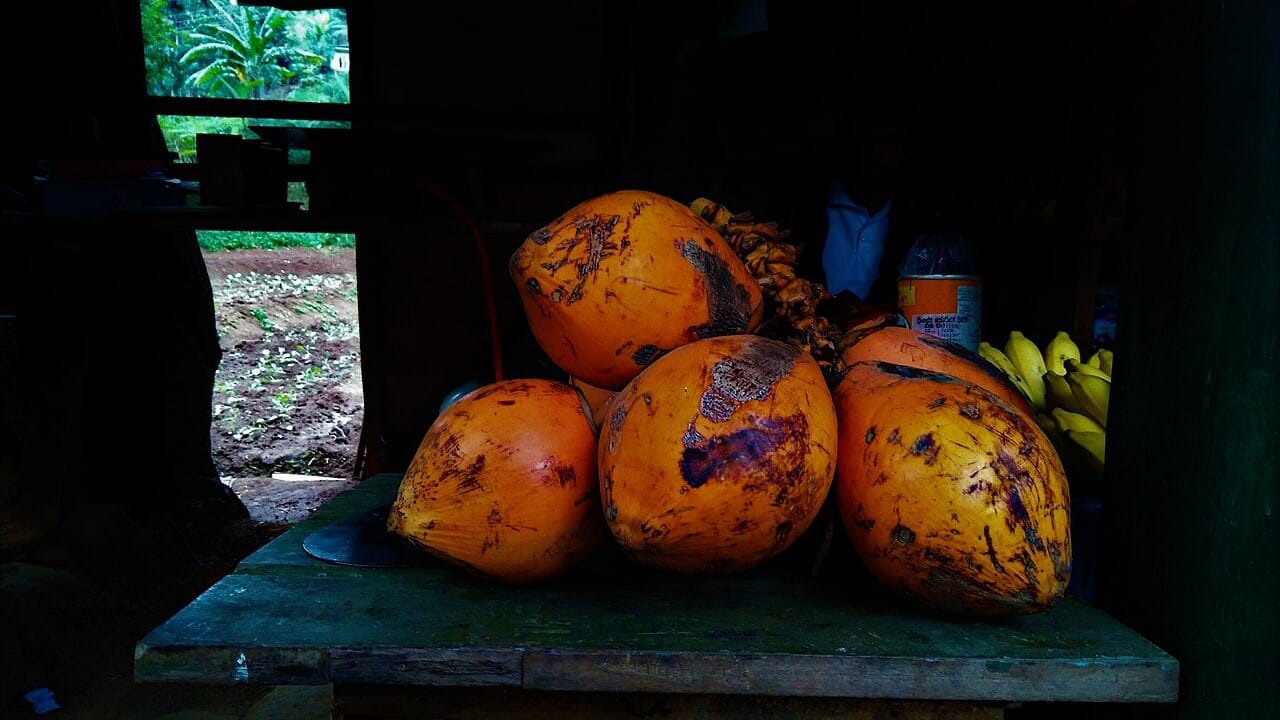
Small growers with five acres or less will get incentives covering up to 65% of costs under a three-year coconut land rehabilitation programme.
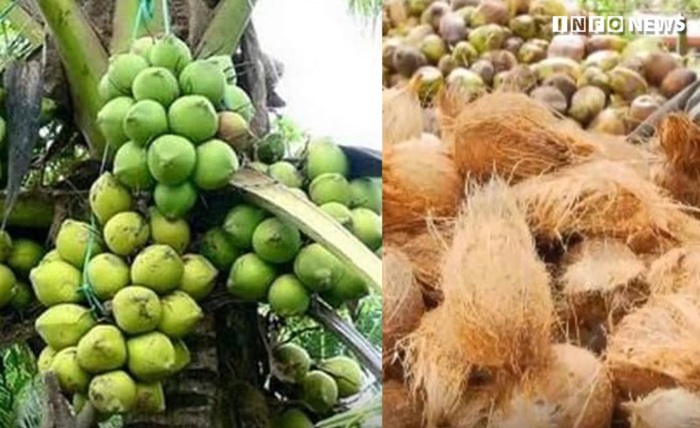
Sri Lanka's Agriculture Ministry has opened talks on a coconut floor price as global rates squeeze farmers, with a USD 1.5 billion export target by 2030.
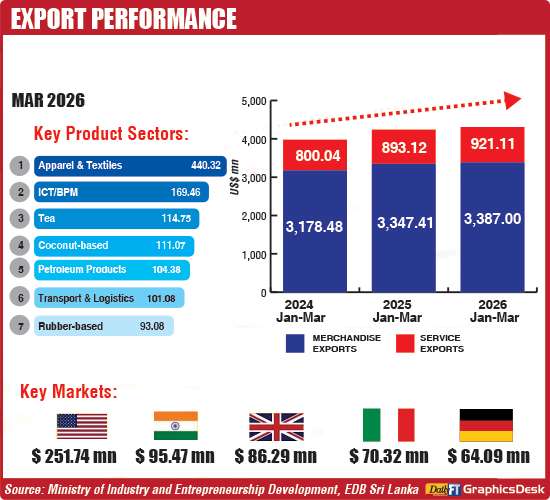
Sri Lanka's first-quarter exports reached $4.3bn, up 1.6% YoY, before a 5.2% March drop tied to Hormuz disruption; UAE shipments collapsed 72.6% in March.