
Business
Fuel import bill rises 51.5% to $4.49 billion in first nine months of 2026
Refined petroleum drove the increase, up 60.4% year on year. Monthly fuel spending has now fallen for five straight months, Central Bank data shows.
Refined petroleum drove the increase, up 60.4% year on year. Monthly fuel spending has now fallen for five straight months, Central Bank data shows.
Nine-month fuel imports hit US$4,487.2mn, up 51.5%. But September's US$415.1mn was below last September, the first such fall this year.
Fuel import spending rose 61.6% year-on-year to $4.07bn in January–August, while monthly outlays fell for a fourth consecutive month.

CENTCOM claims Hormuz traffic at a six-month high with clear shipping lanes, but independent trackers document a fraction of the claimed volume.
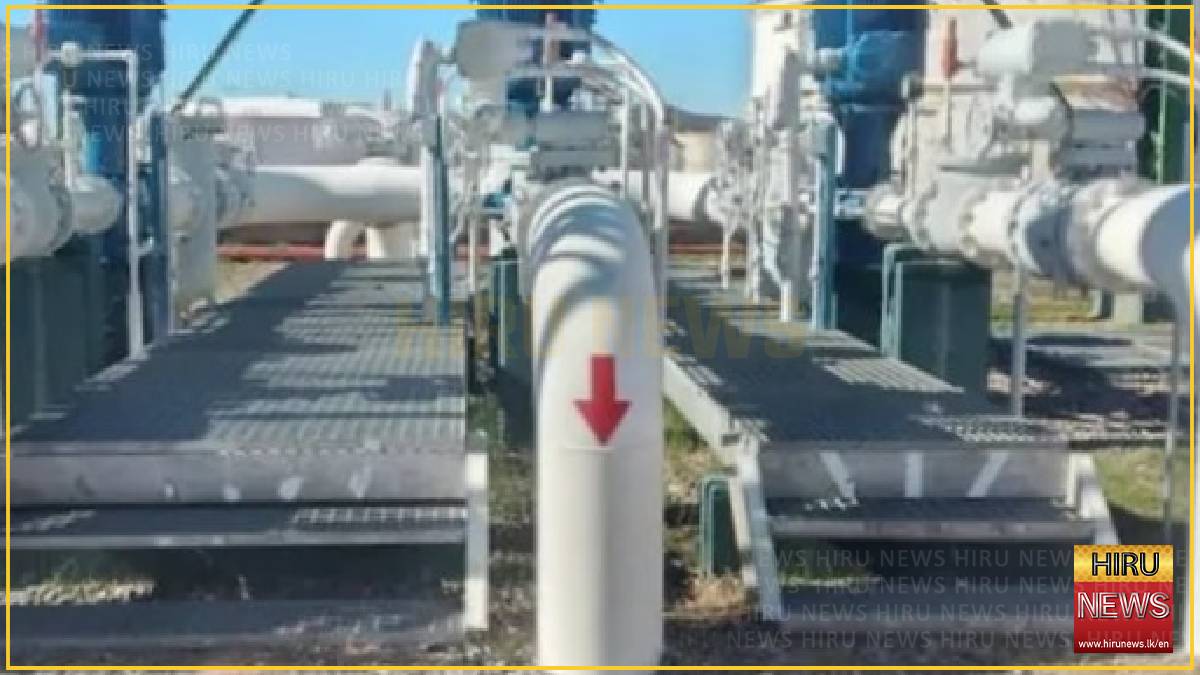
Gulf-to-Asia freight has gone from $6 to $30 a barrel and insurance from 5 cents to $2.50, as traders at Singapore's APPEC conference price in a long war.

Chairman D.J. Rajakaruna says the Ceylon Petroleum Corporation is testing whether Nigerian crude can be refined at Sapugaskanda, as world fuel prices climb.

Brent crude passed US$96 on Wednesday after US-Iran strikes, up from US$88.10 Saturday. Goldman Sachs flags US$120 risk by year-end.
Sri Lanka's current account deficit hits US$142mn in July. Seven-month trade gap reaches US$6.5bn as fuel imports surge.
Sri Lanka's H1 fuel import bill rose 58.8% to US$3.17bn; refined petroleum drove surge and current account slipped into deficit.

Brent crude topped US$86 — a four-week high — after the US reimposed a naval blockade on Iran, raising fresh cost pressure on Sri Lanka's fuel imports.

Ceylon Petroleum chief D.J. Rajakaruna says the bill has eased from $522m in April to $318m this month and is on track for $198m by July if prices hold.

Cabinet Spokesman Nalinda Jayatissa says fuel import costs nearly tripled between January and May as global oil prices surged, even as consumption stayed flat.
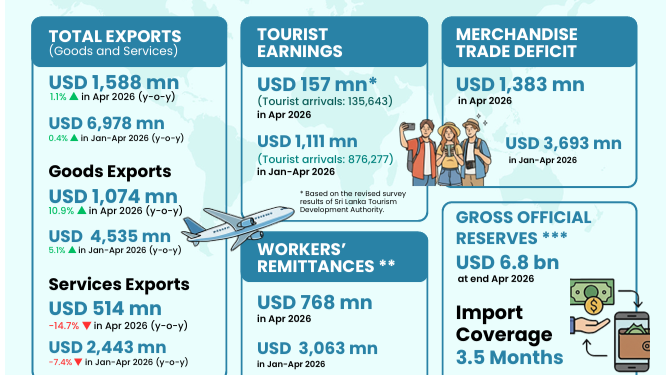
Sri Lanka's current account flipped to deficit in April as the trade gap hit $3.7bn for Jan-Apr, fuel imports surged and tourist earnings fell 38.8%.
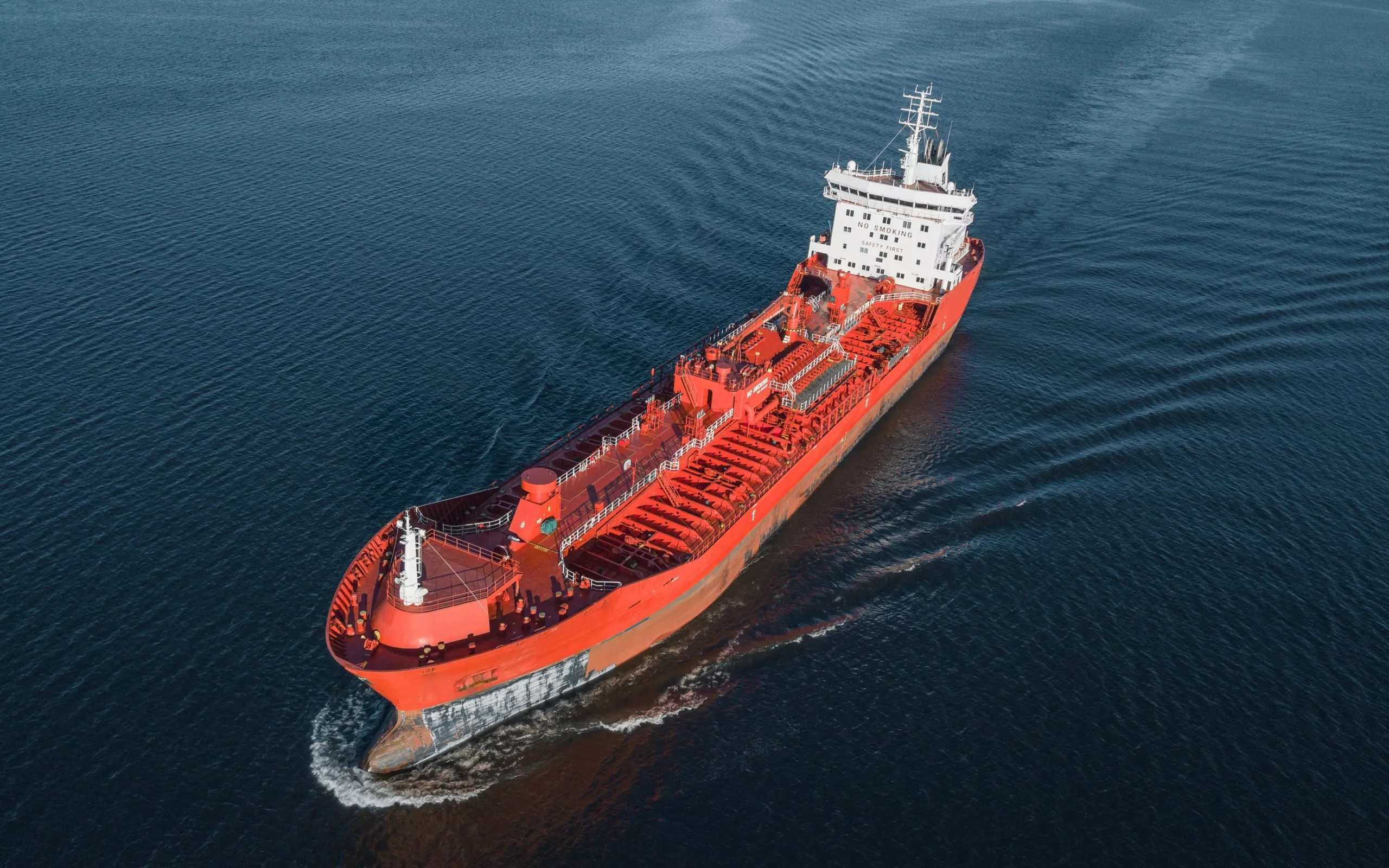
Sri Lanka's April fuel import bill surged 149.9% year-on-year to $886mn — 36% of total monthly imports — as Middle East conflict lifted prices.
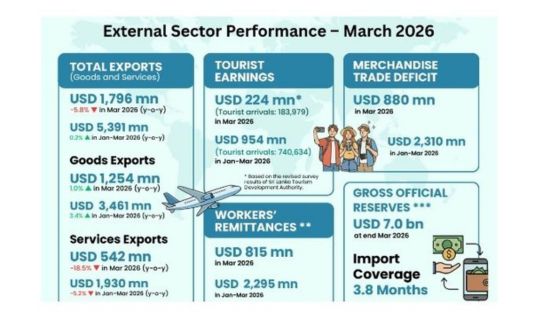
Trade deficit widened to $2.3bn on a 74.7% jump in fuel imports, while remittances rose 17.5% to $815mn and tourism earnings fell sharply.
Annual Review projects fuel costs will climb in 2026 on Middle East tensions, after the bill fell from $4.4bn to $4bn in 2025 on lower crude prices.