
Business
CT Smith Says Sri Lanka Pressures Are External Shock, Not Domestic Excess
Brokerage CT Smith argues current rupee and import strain stems from the Middle East energy shock, not the imbalances that drove the 2022 crisis.
Brokerage CT Smith argues current rupee and import strain stems from the Middle East energy shock, not the imbalances that drove the 2022 crisis.
Fitch Ratings says Sri Lanka's reserves fell 7% between February and April, second only to the Philippines among major Asia-Pacific peers.

Sajith Premadasa and party leaders asked Speaker Wickramaratne for an urgent rupee debate and pressed President Dissanayake to convene an All Party Conference.
Sri Lanka's rupee closed at 329/331 in the spot market on Friday from 342/350 a day earlier, after exporters sold forward and bond yields recovered.

Deputy Finance Minister Anil Jayantha Fernando rejects claims that rupee depreciation signals economic collapse, citing inflows from IMF, ADB and World Bank.

Colombo bourse recovered after Wednesday's drop with ASPI gaining 44.72 points to 21,833. Banks drove Rs.2.1 billion in turnover while bond yields rose.
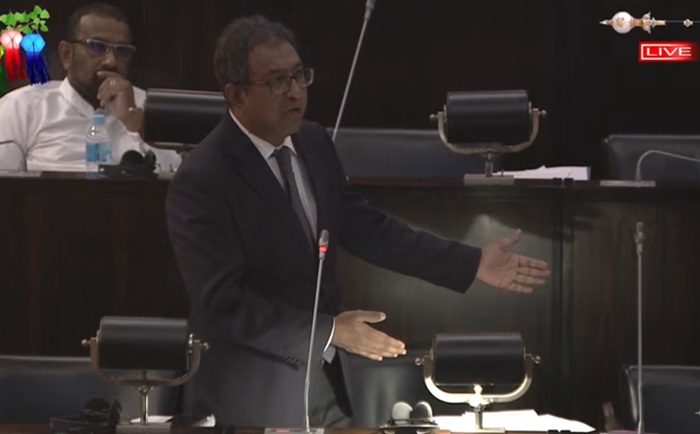
SJB MP Harsha de Silva says no bids or offers in the rupee market, with CBSL the only counterparty as exporters withhold dollars and importers rush to buy.

JAAF says the rupee's 4.8% depreciation is below India's 6.4% and Nepal's 6.2%, attributing the slide to West Asia conflict and global pressures.
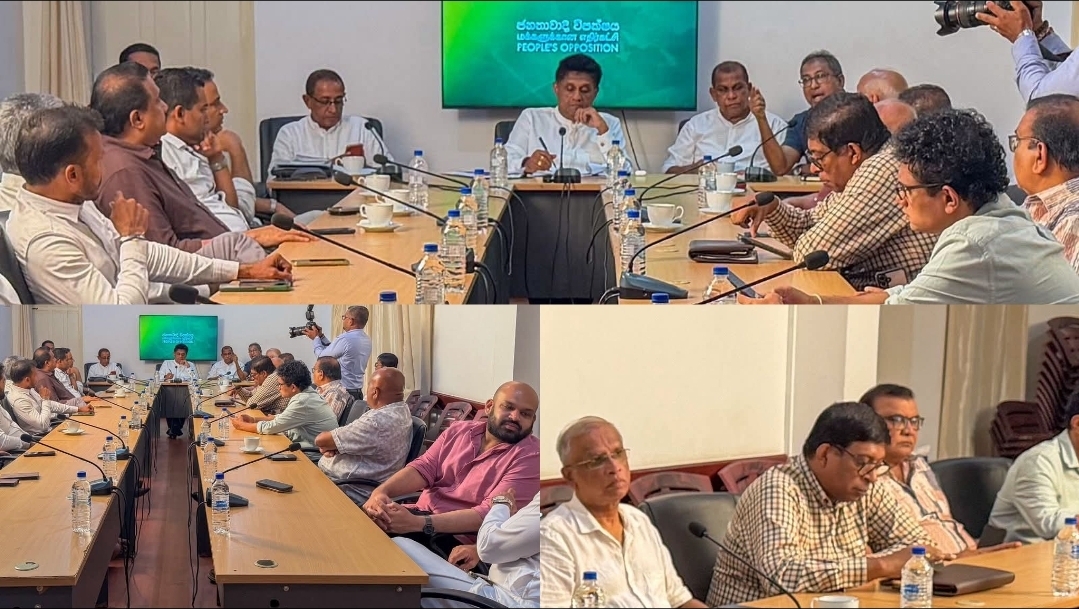
Opposition Leader Sajith Premadasa says opposition parties have united and requested President Dissanayake convene an All Party Conference on the economy.
TT selling crosses Rs. 352.50 and four commercial banks breach Rs. 350 in a single session, extending the rupee's worst-in-Asia depreciation streak.

UNP said the rupee has slid from Rs.292 when Ranil left office to about Rs.354, warning the wider public will absorb cost-of-living pain from a weaker rupee.

President Dissanayake urged Sri Lankans to cut fuel imports as the rupee weakened; the apparel sector said the slide reflects global trends, not local policy.
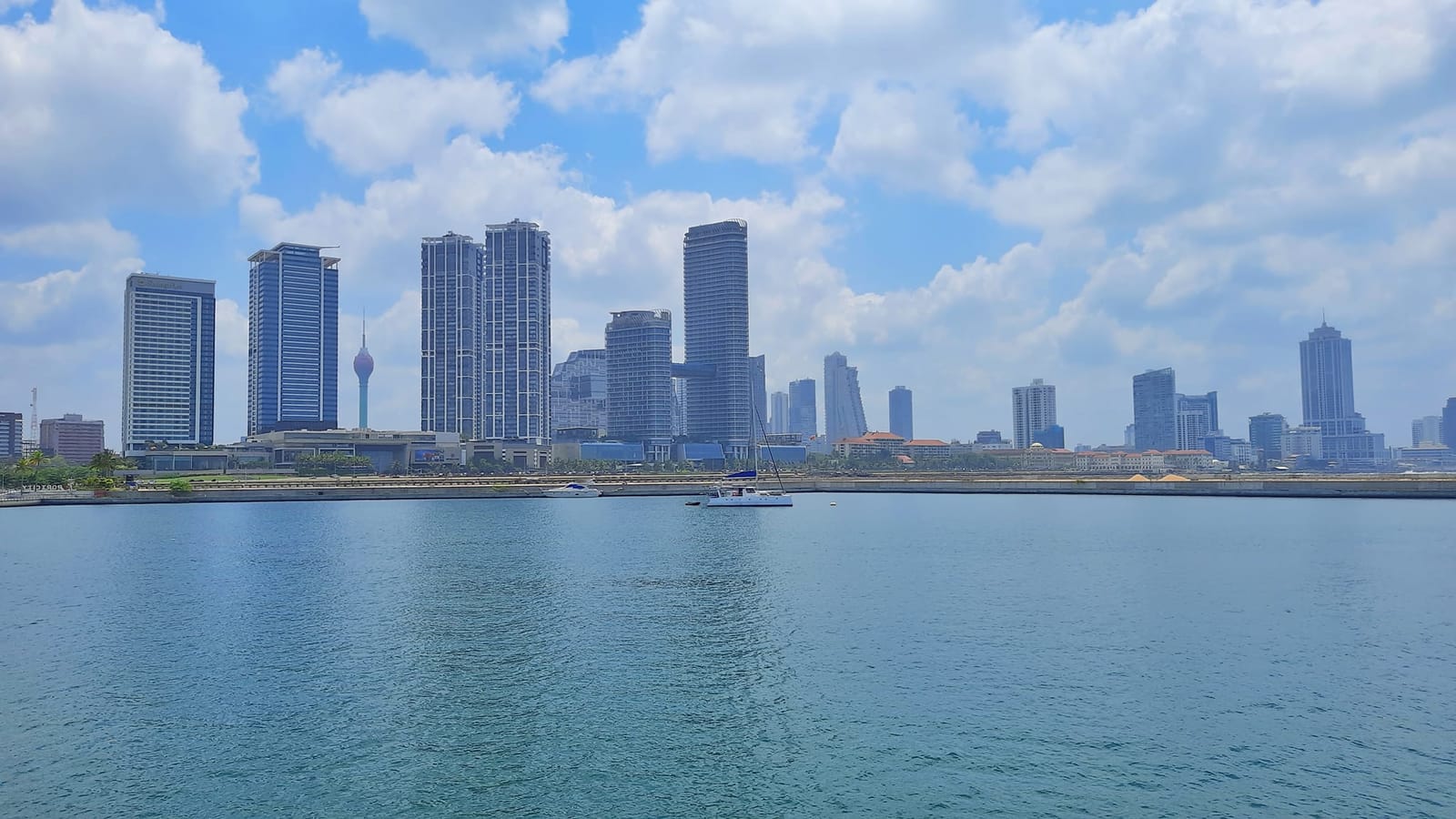
The ASPI fell nearly 2% to 21,856 on Wednesday as the rupee's ongoing depreciation drove selling pressure across the Colombo Stock Exchange.
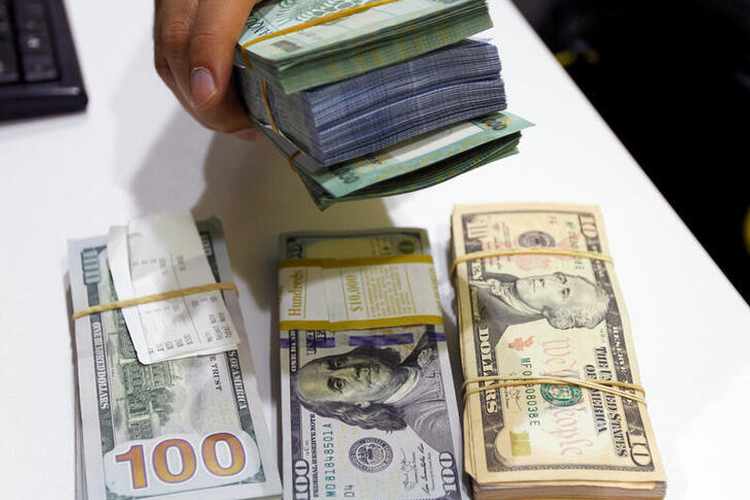
Commercial and Sampath both quote Rs. 346.50 on the dollar Wednesday, a fresh cycle high as bond yields move wider and Treasury TT prints Rs. 343.50.
Fixed-income wrap: TT-selling 345.50/USD with no spot close, bonds up across the curve, and weekly T-bill auction filled only 48% of Rs.140bn target.

The Essential Food Importers' Association warned the weakening rupee will push up consumer prices for sugar, dhal, rice and other staples in the coming weeks.
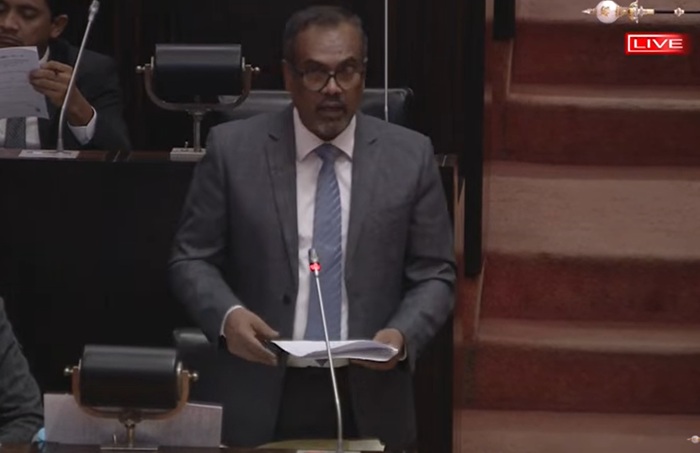
Deputy Finance Minister tells Parliament the rupee has lost 4.8% on the dollar, blaming Middle East tensions, oil and FX demand as Sajith presses for a plan.
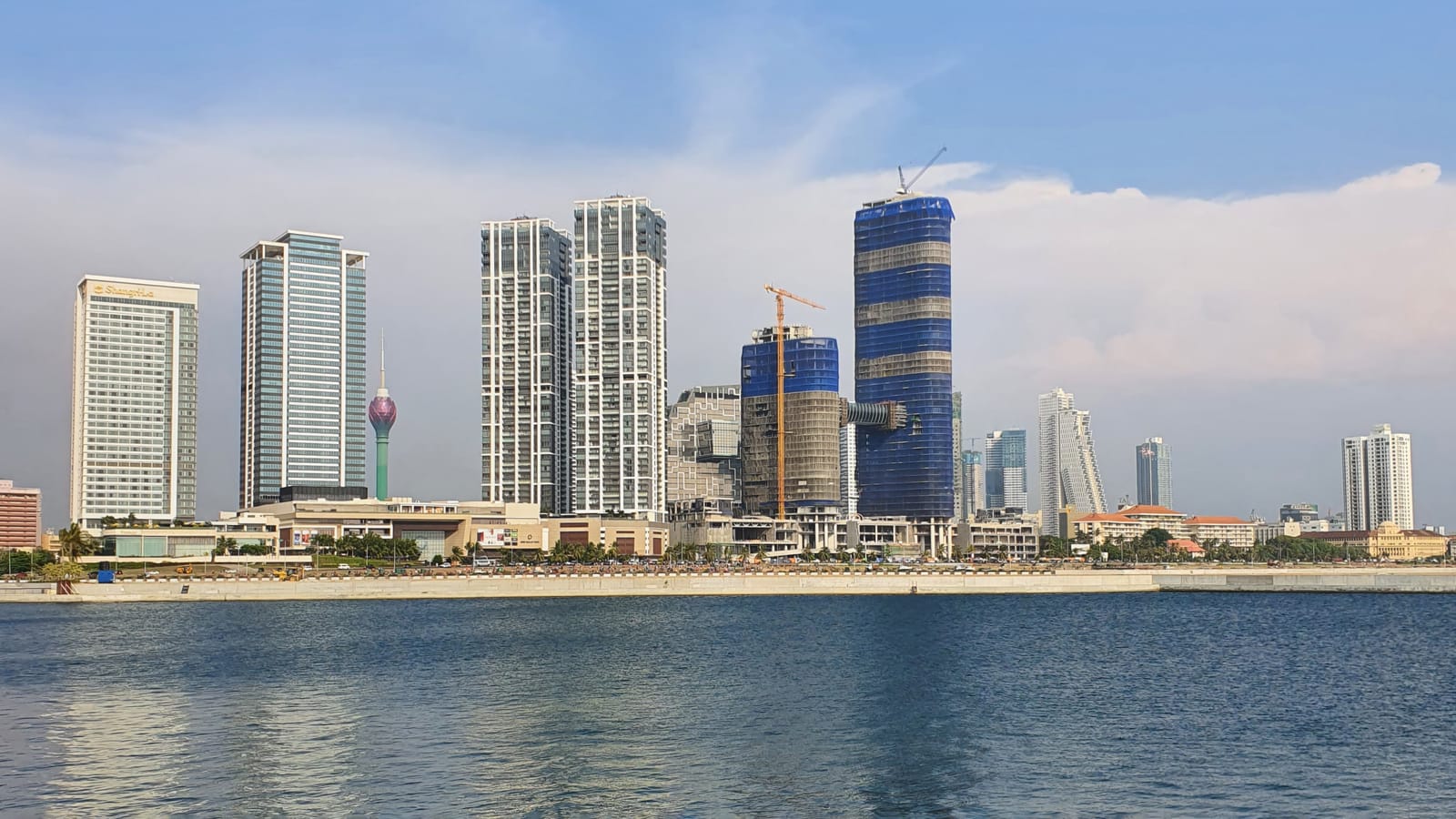
Colombo stocks rose midday Tuesday as the rupee weakened to 328.50/337.50 against the dollar and government bond yields edged higher across the curve.
People's Bank quotes Rs. 340.67 on the dollar Tuesday, a fresh cycle high as commercial bank rates jump again and EconomyNext records bond yields rising.
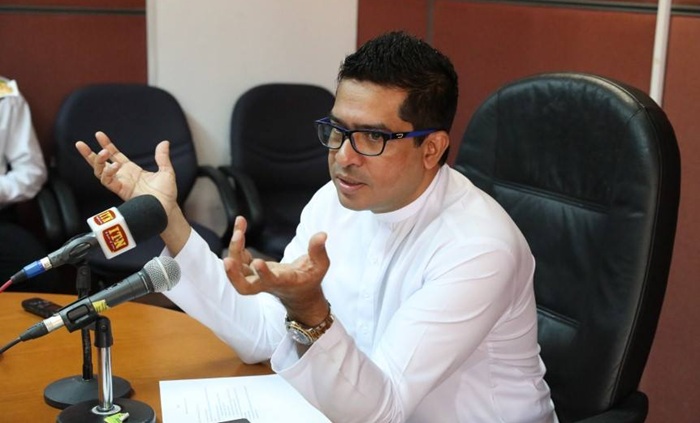
Sujeewa Senasinghe warns Parliament the rupee could hit Rs.360 in five months and President AKD may be forced into a national government within four.
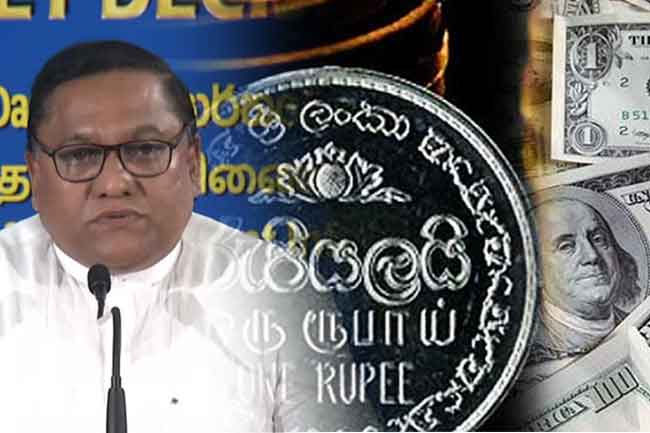
Cabinet spokesperson Vijitha Herath says expected US$ 700M IMF and US$ 200M ADB inflows, import controls and stronger exports will help stabilise the rupee.
Deputy Finance Minister asks public to economize fuel as CPC has spent $1 billion on oil imports in four months — two-thirds of last year's full bill.
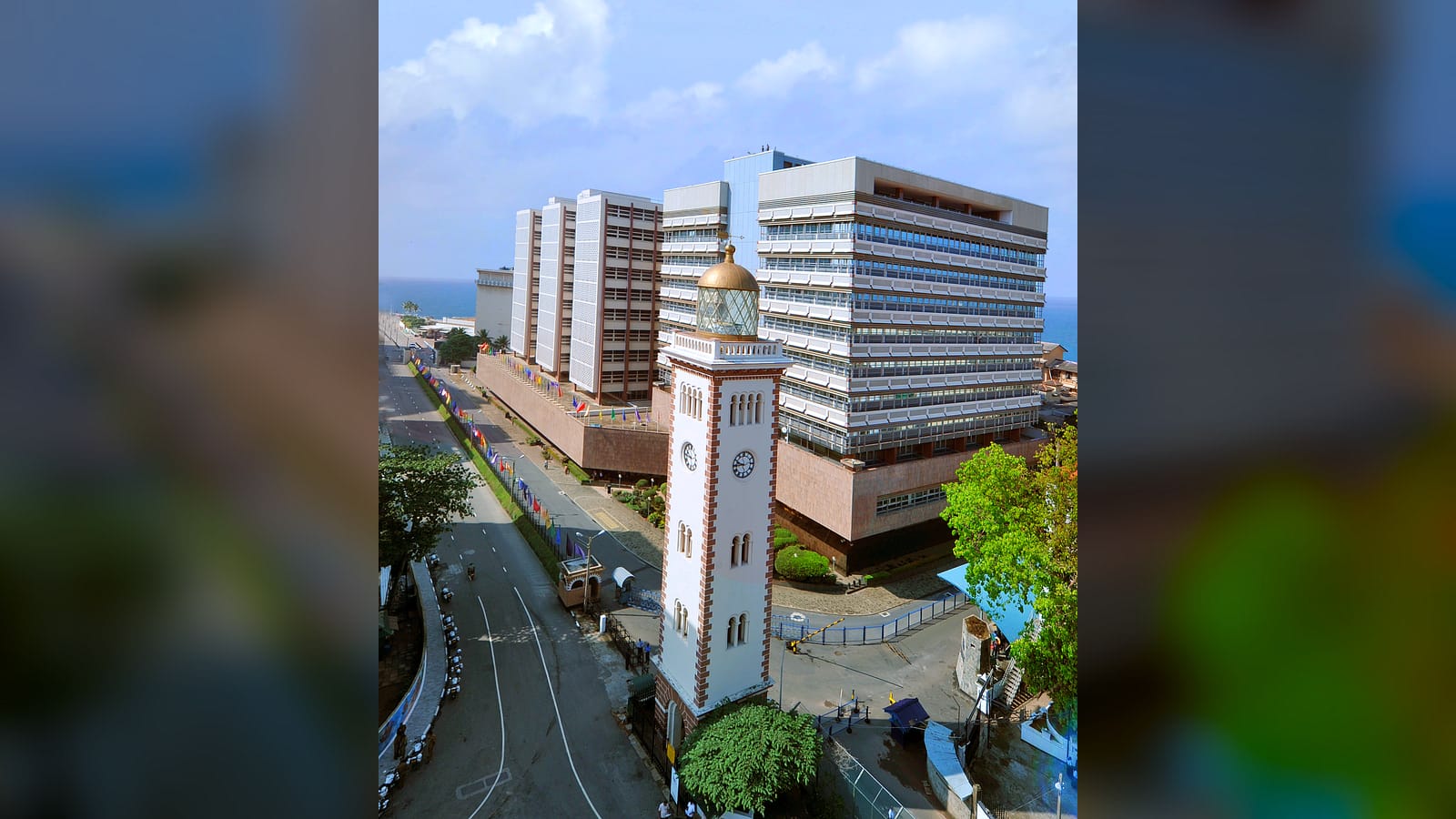
CBSL Governor Weerasinghe told COPF that CPC spent $1bn on petroleum in Jan–Apr 2026, matching most of 2025's full-year bill as the rupee weakens.
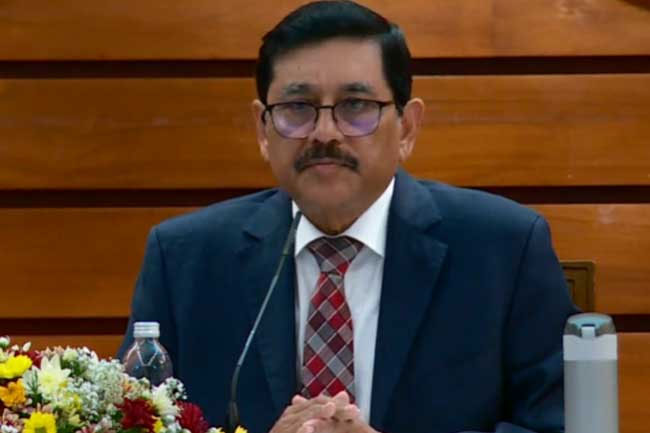
Weerasinghe told a media briefing the rupee's 4.8% slide in 2026 reflects global oil price pressures, citing 6.4% in India and 6.2% in Nepal.