Business
Sri Lanka's tea output fell 8.6 percent in September, Central Bank figures show
Tea production dropped to 20.3 million kg from 22.2 million kg a year earlier, and coconut output fell in July and August, Hiru reported.
Tea production dropped to 20.3 million kg from 22.2 million kg a year earlier, and coconut output fell in July and August, Hiru reported.
The National Single Window for Trade has been gazetted for 124 HS codes, mainly coconut, coir and tea products, two weeks after its pilot launch.

Demand was described as good but rates irregular, with Best Western BOP/BOPFs down Rs. 20 a kilo and Nuwara Eliya teas meeting poor demand.

Tea gets a Rs 5 billion fertiliser subsidy and 500 new tea villages, while coconut, rubber and palmyrah receive separate allocations under the 2027 Budget.

September was the strongest month, up 17.23 percent year on year. India has overtaken the UK as Sri Lanka's second-largest market; tea and coconut fell.
September High Grown output was 3.49 MnKg, the lowest since 1992. The three elevations sum to the national total, which lets the missing figure be derived.
Kurdish delegation explores trade beyond tea with Ceylon Chamber. Food, agriculture, education and tourism discussed but no deals announced.
Four estate groups implement drought measures during El Niño stress. New tea cultivars take 25 years to develop, slowing climate adaptation.
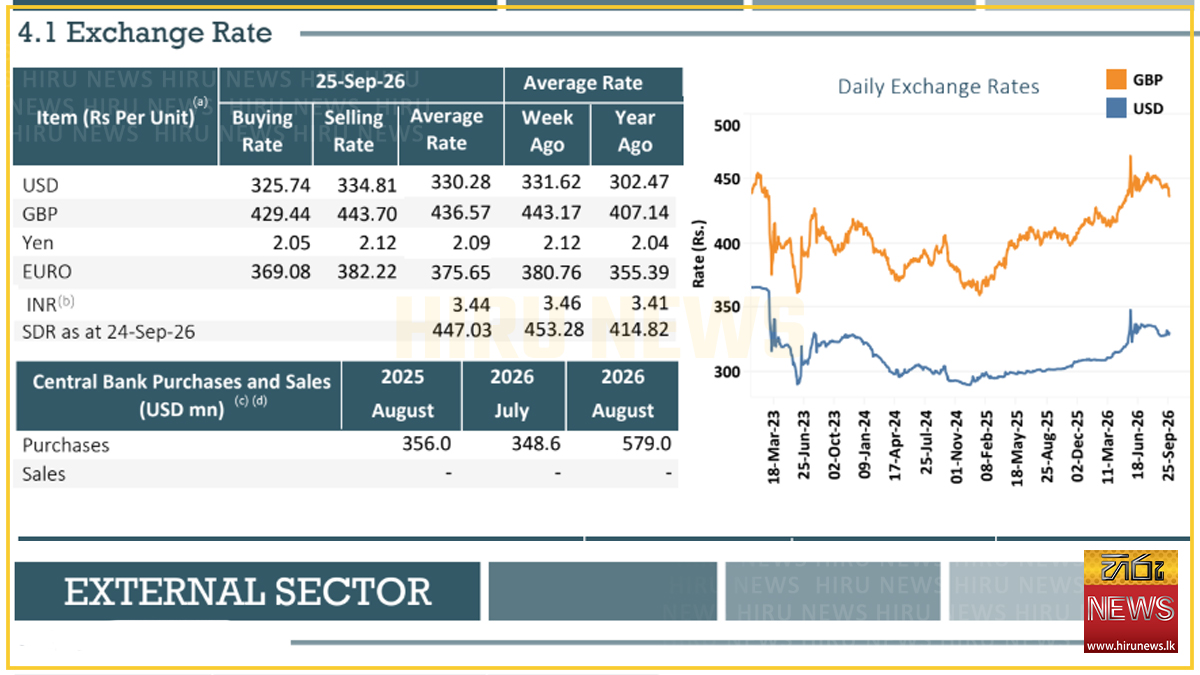
Central Bank data show year-on-year declines in tea and coconut production from January to July, with July's tea fall the mildest of the year so far.
August merchandise exports declined 1% to US$1.27bn; transport and logistics surged 51% to become Sri Lanka's largest services export.

Some processed-food shipments were held for months over documentation, while rubber exporters said local raw material now costs more than imported supply.

Shipments reached 166.3 million kg by end-August, down from 174.2 million kg, with dollar earnings falling to $948 million despite steady rupee revenue.
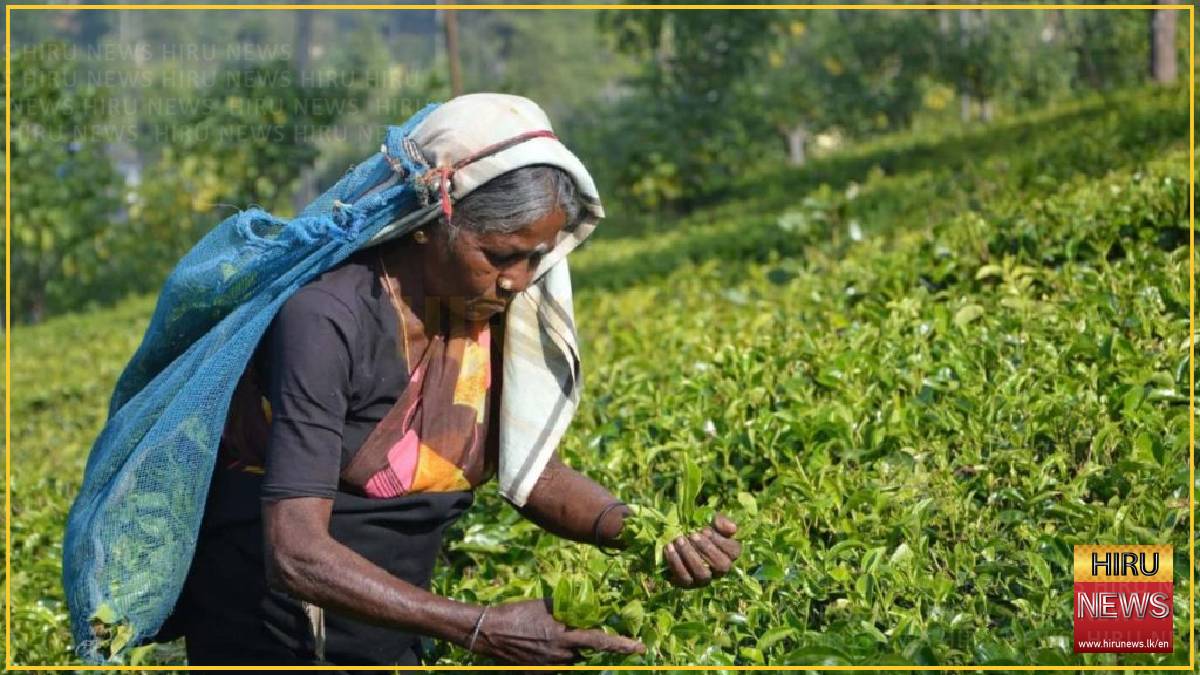
SLTB Tea Commissioner Mahesh Jayawardena says abandoned estates are the new focus, with output recovering from a fall to around 250 million kg.
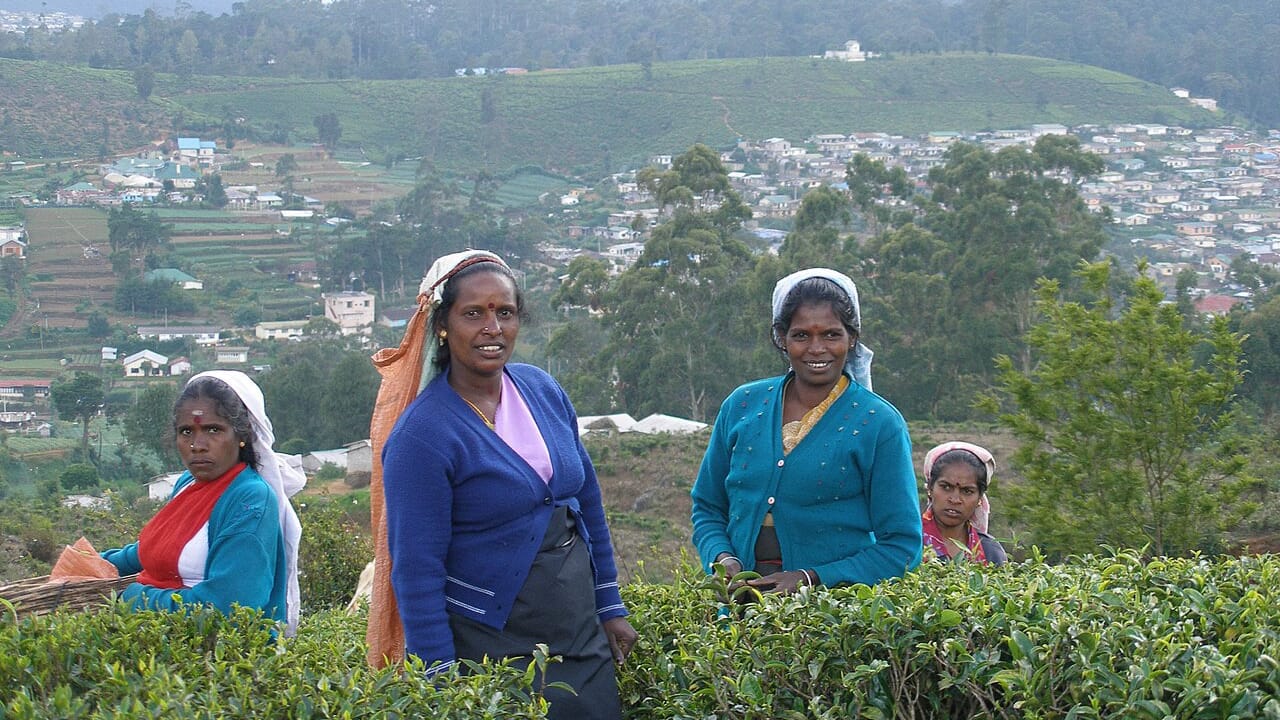
Weekly offerings dropped from 5.3 million kg. Large Leaf teas held their ground while Orthodox and Rotovane grades were sluggish, with many lots withdrawn.
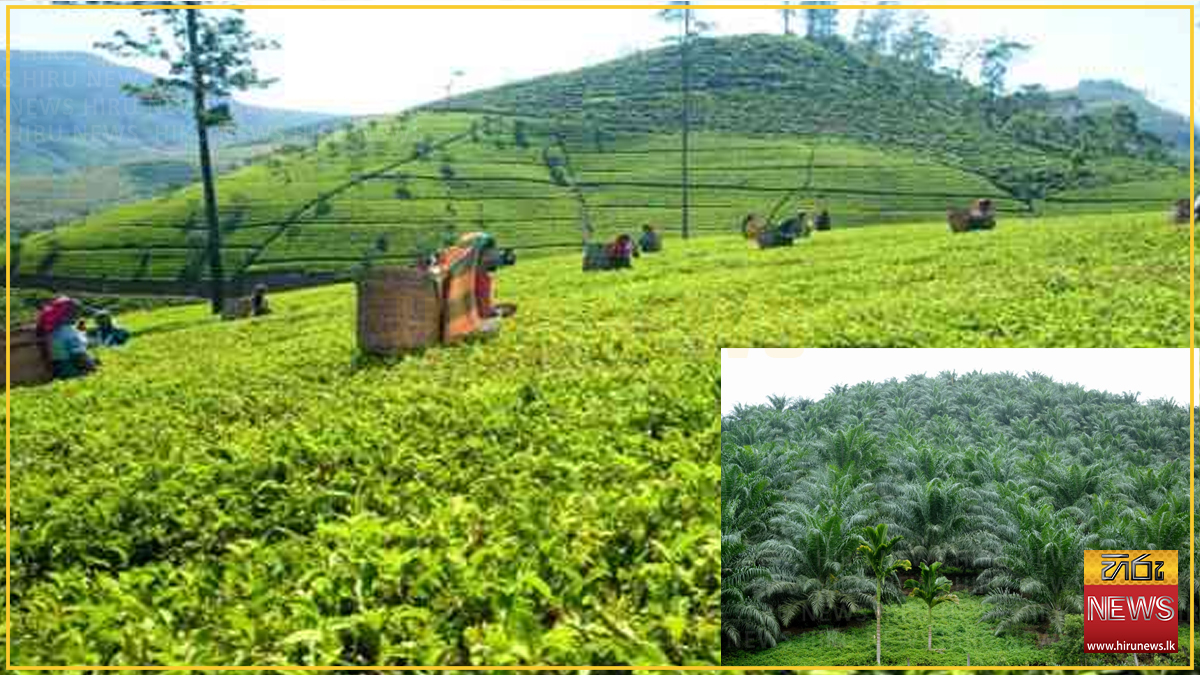
Advocata warns early RPC lease renegotiation before 2045 expiry would weaken tenure security and deter foreign investment.
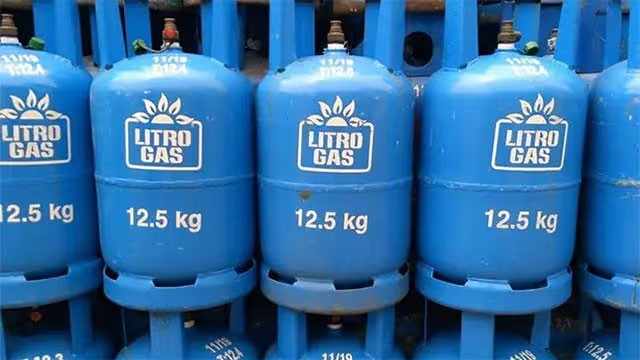
Litro's 12.5 kg cylinder falls Rs. 100 to Rs. 4,365, but LAUGFS holds at Rs. 4,965. Canteen owners cut milk and plain tea by Rs. 5 from midnight.

EDB figures put January-July export earnings at US$10.49 billion, up 5.5%. July merchandise earnings slipped 1.3%, with tea to the Middle East down 47.9%.
Volumes dropped to 20.41 million kg in July and every category but instant tea shrank, while a stronger rupee price masked a weaker dollar realisation.

Export earnings cross US$9 billion H1 milestone driven by tea, apparel and ICT amid sustained economic recovery.

Sri Lanka's exports rose 4.3% to $5.78 billion in January–April, the EDB says, as electronics and food gains offset falling apparel and tea earnings.

Sri Lanka launches a new pension scheme for tea estate and factory workers — Rs. 600 quarterly contributions from age 18 yield Rs. 5,000 a month at age 60.
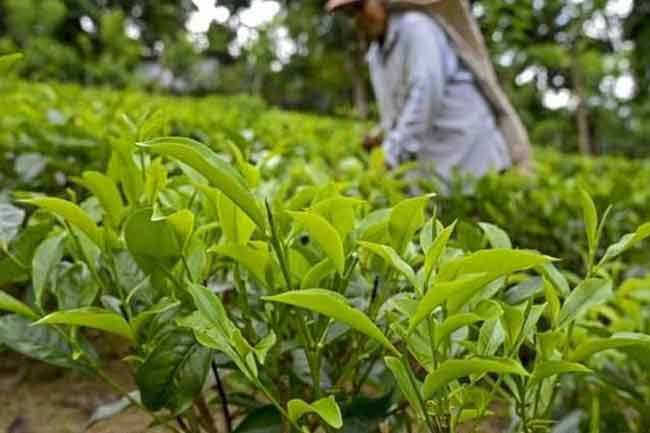
Plantations Minister Samantha Vidyaratne said the Treasury has funded an extra fertilizer subsidy for small tea growers amid rising shipping costs.
Asian Development Bank says Sri Lanka could raise exports 47 percent if unrealised capacity is tapped, with apparel, tea and spices leading the shortfall.
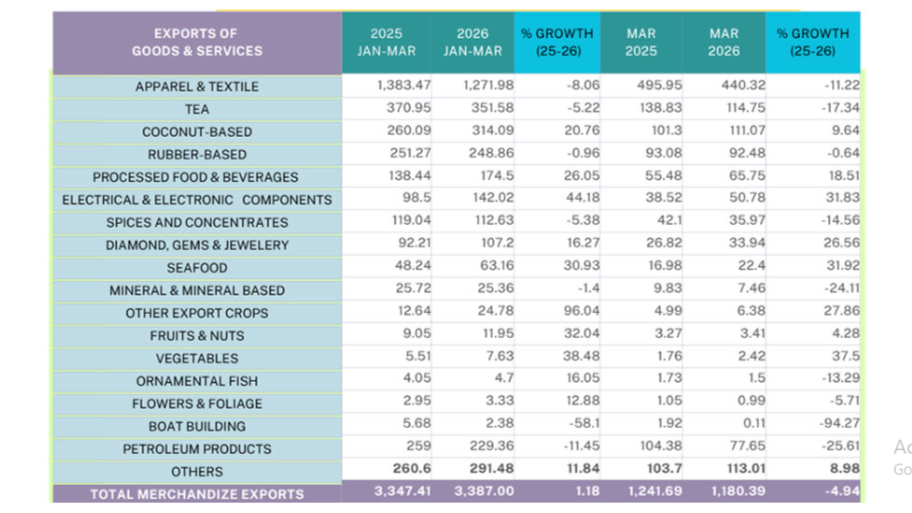
Sri Lanka's merchandise exports fell 4.94% YoY to $1.18bn in March on weaker apparel, tea and spice earnings. EDB calls it a 'temporary moderation'.