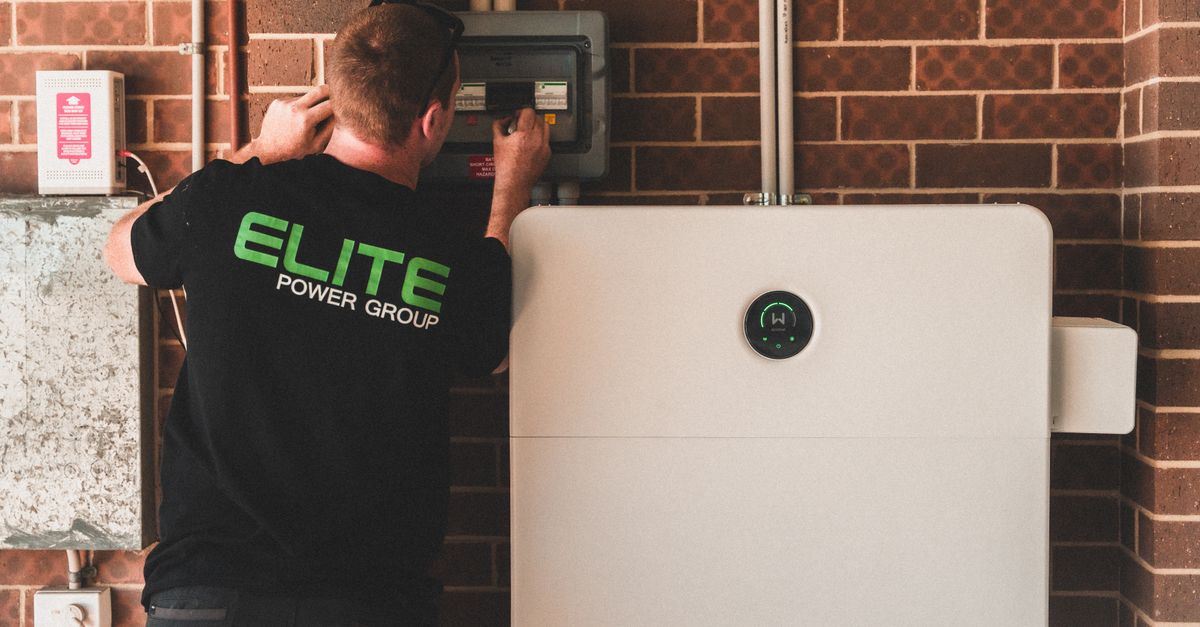
Chinese solar inverter and storage company Sungrow says its 10 MW/40 MWh battery plant in Galle offers a practical model for Sri Lanka’s grid flexibility. The claims here are the company’s own, given in written responses to the Daily Mirror’s Mirror Business, and are not independent findings.
Sungrow said the system, developed by WKV Hydro Technics on its PowerTitan 2.0 platform, entered commercial operation on 10 September and can discharge its full 10 MW for four hours. It said batteries can support frequency regulation, absorb surplus renewable energy when generation is high and release it when demand climbs. The company said the 17 October island-wide blackout, which a preliminary National System Operator report traced to the Norochcholai plant, showed the importance of grid resilience. It cautioned that nationwide outages involve several interconnected factors and cannot be prevented by one storage project, the Daily Mirror reported.
The 560 MW figure
The Daily Mirror says Budget 2027 targets 560 MW of “new” battery capacity in 2027 (the equivalent of 56 Galle-sized plants), rising to 1,245 MW by 2029 as renewables are meant to reach 69 per cent of generation, from about 61 per cent in 2025.
This desk’s earlier report on the Budget filing read the target differently: storage connected to the grid rising from 160 MW in 2026 to 560 MW in 2027, which would be roughly 400 MW of additions. In September, Minister Karunathilaka described three tranches of 160, 250 and 150 MW. The figure has not been checked against the Ceylon Electricity Board or the Energy Ministry, so “560 MW of new capacity” is unconfirmed.
Why storage is in demand
The Daily Mirror cited the Sustainable Energy Authority as saying installed solar capacity reached 3,053 MW by October, above the night-time peak demand of about 3,000 MW, so daytime generation has been curtailed. A National System Operator tender for 150 MW/600 MWh of storage at existing solar plants is under way, with WindForce PLC and Vidullanka PLC among the successful bidders.
Sungrow is pitching its PowerHarbor home system to households and PowerKeeper Lite to small businesses. The Budget’s subsidy of Rs 25,000 per kW, capped at Rs 250,000 per household, and the removal of the Ports and Airports Development Levy on solar storage batteries from 1 January 2027 would lower the cost of such systems.