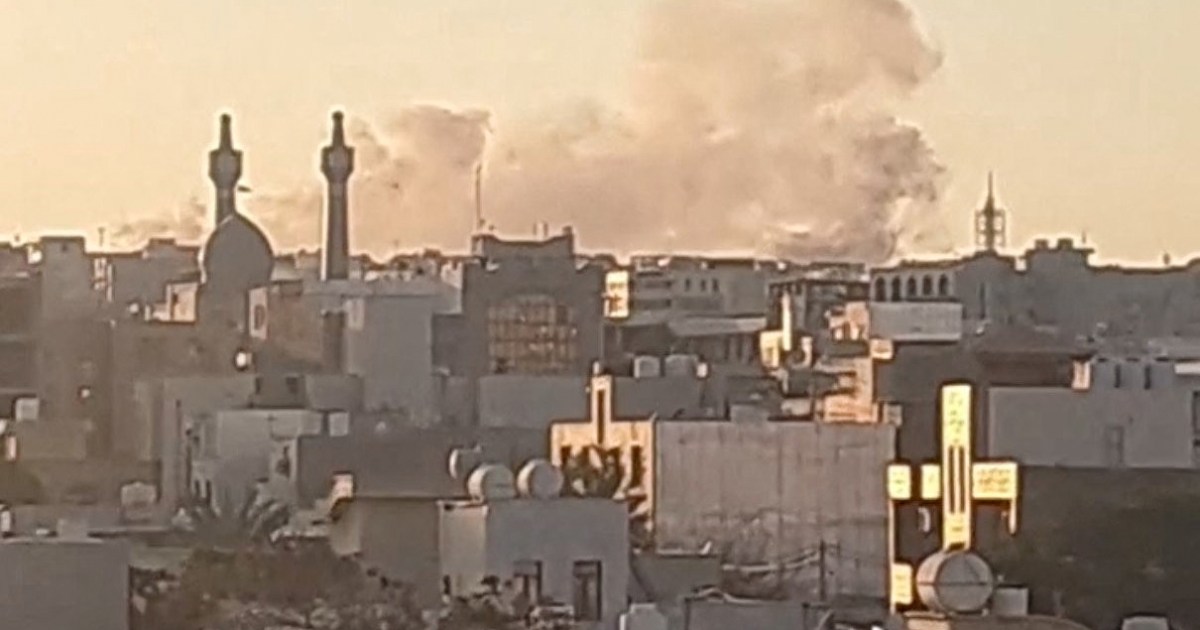
World Kuwait faced its first Iranian attack since September and Bahrain another, a day after US jets hit a Revolutionary Guards launch site in the Strait of Hormuz.
Corroborated Nov 18, 2026
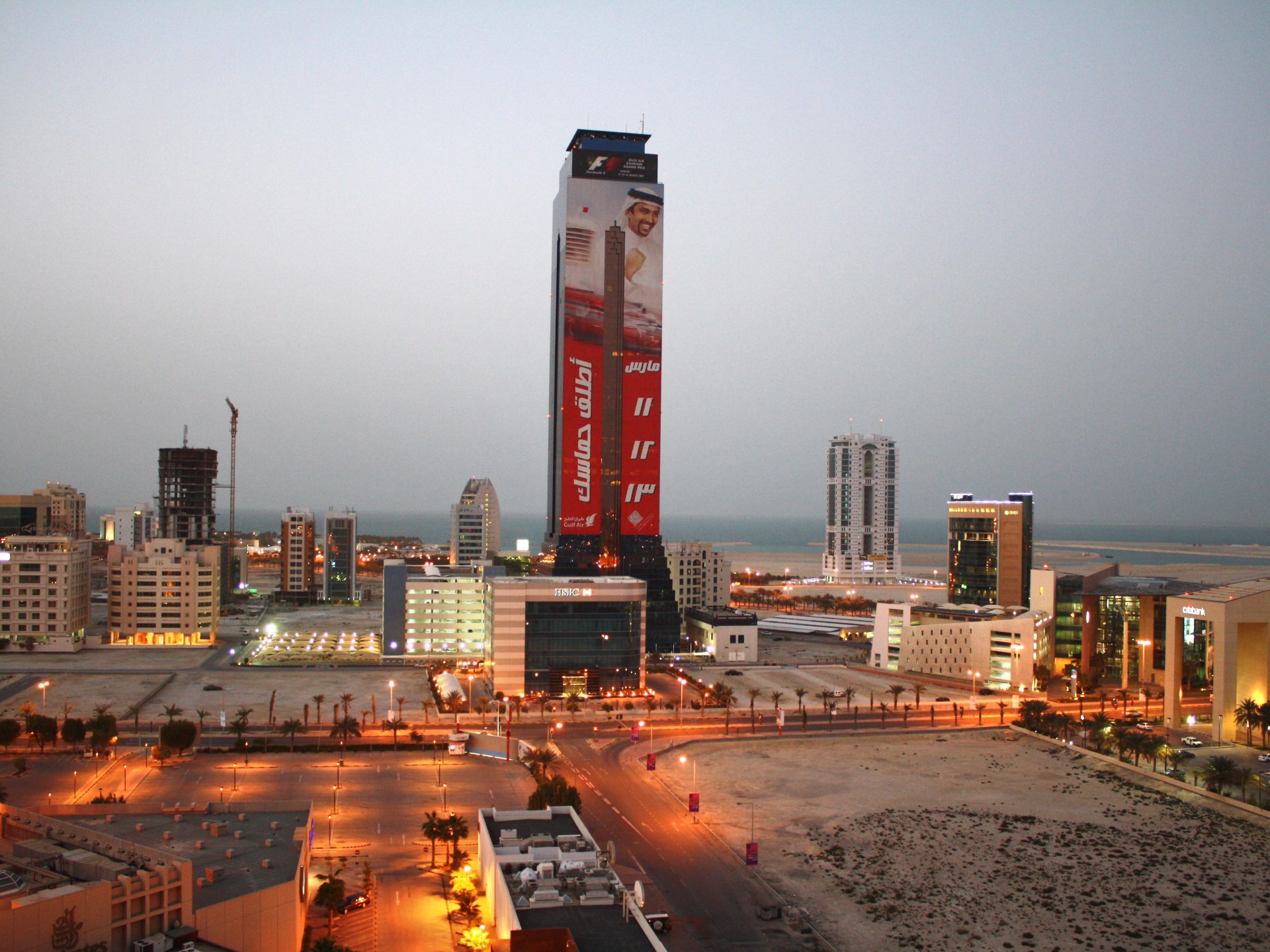
World The IRGC says it sent six drones at a US radar at Riffa Air Base. Bahrain's military says it intercepted them. CENTCOM had not commented by Sunday evening.
Multi-source · 3 Nov 15, 2026
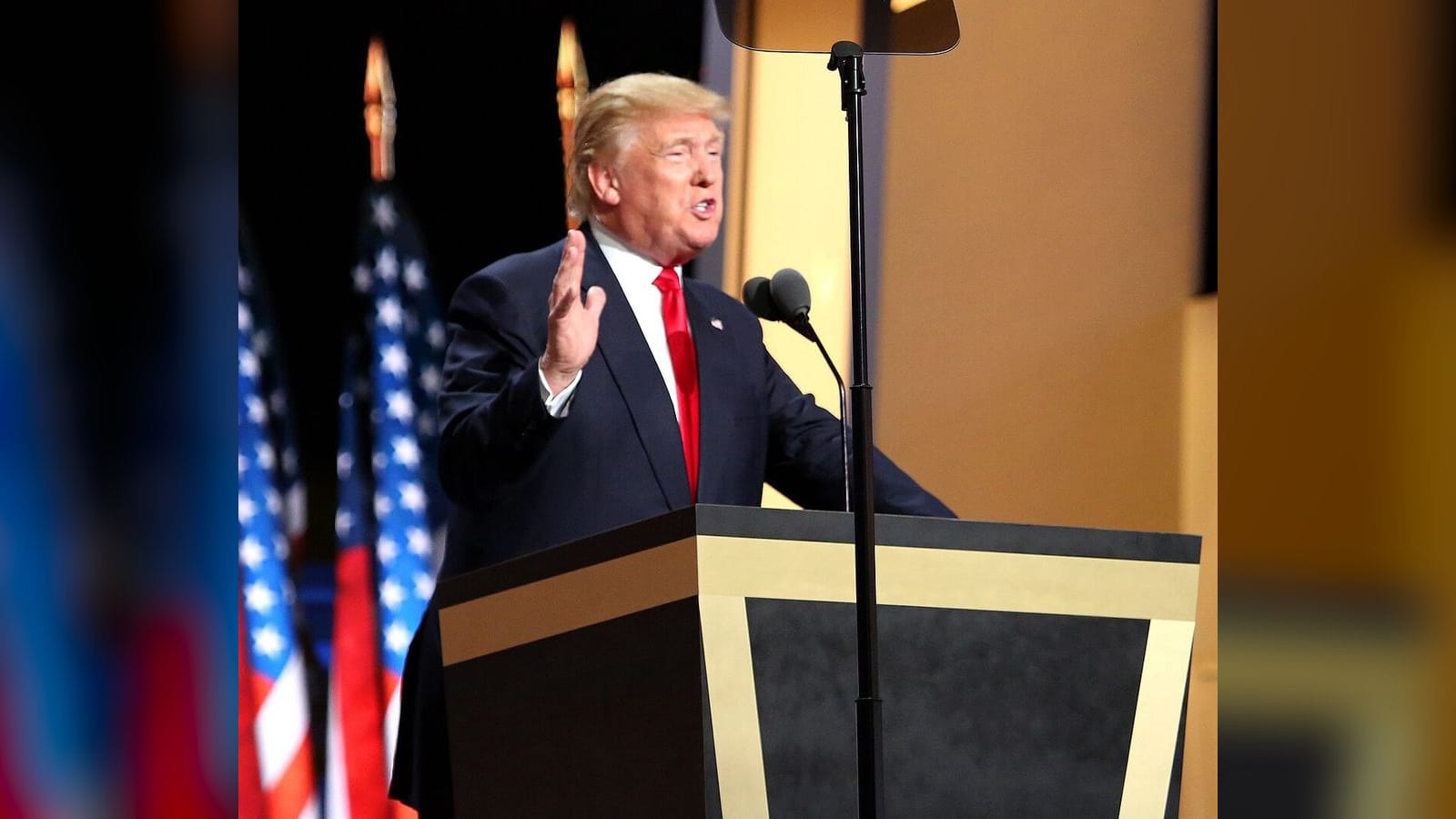
World Trump directed his vice president away from Iran negotiations, saying the US holds Tehran's money and its Strait.
Corroborated Nov 13, 2026
Business Saudi Arabia pumped 10.563 million barrels a day in October, its highest since the Iran war began, lifting OPEC+ output to 41.23 million bpd.
Corroborated Nov 12, 2026
Business Brent crude slips below 7.50 after Trump says renewed Iran attacks unlikely.
Corroborated Nov 9, 2026
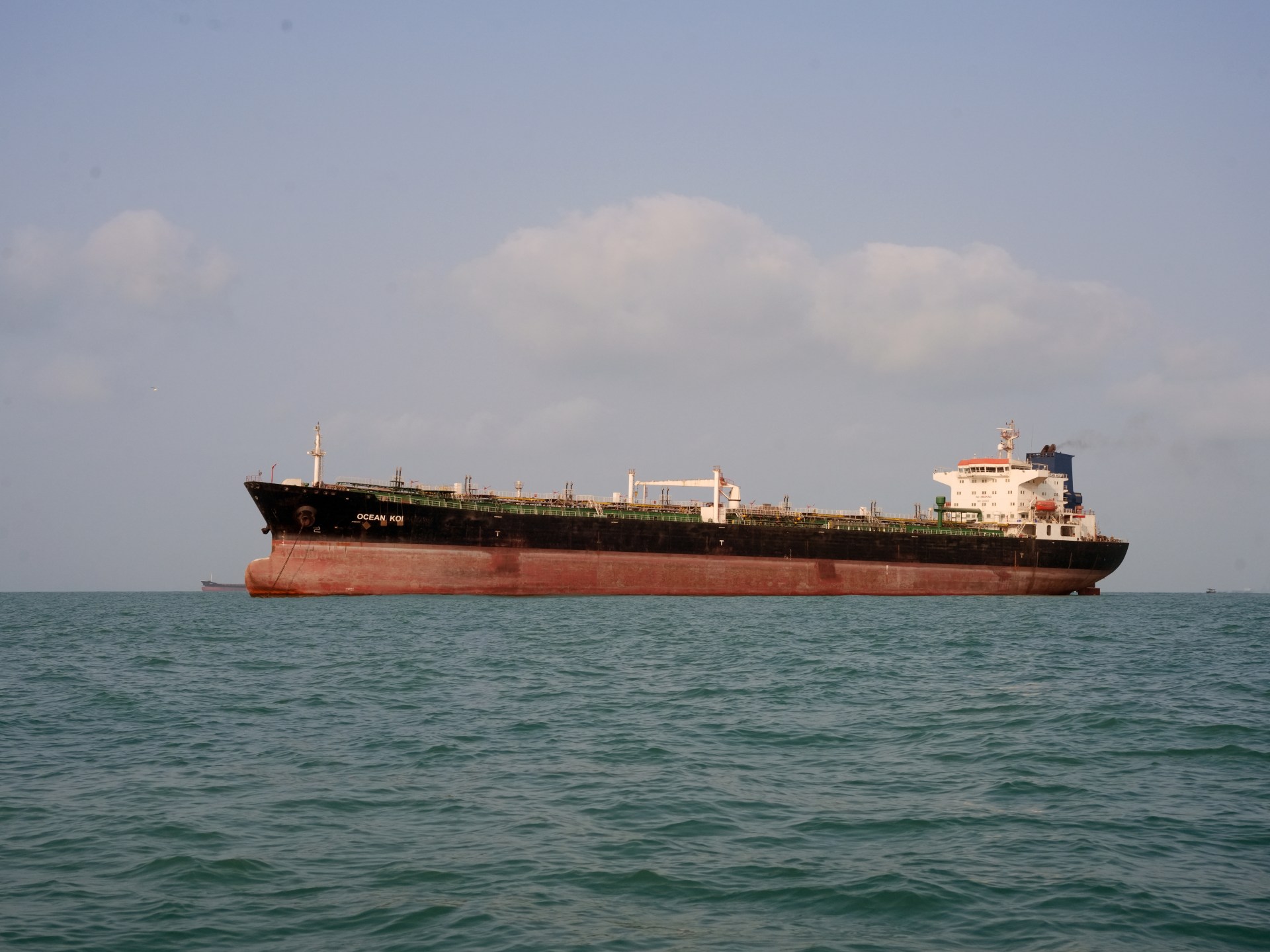
World Iran says tankers struck Hormuz mines with tugboat fire; US forces poised to resume major combat operations in escalating tensions.
Corroborated Nov 5, 2026
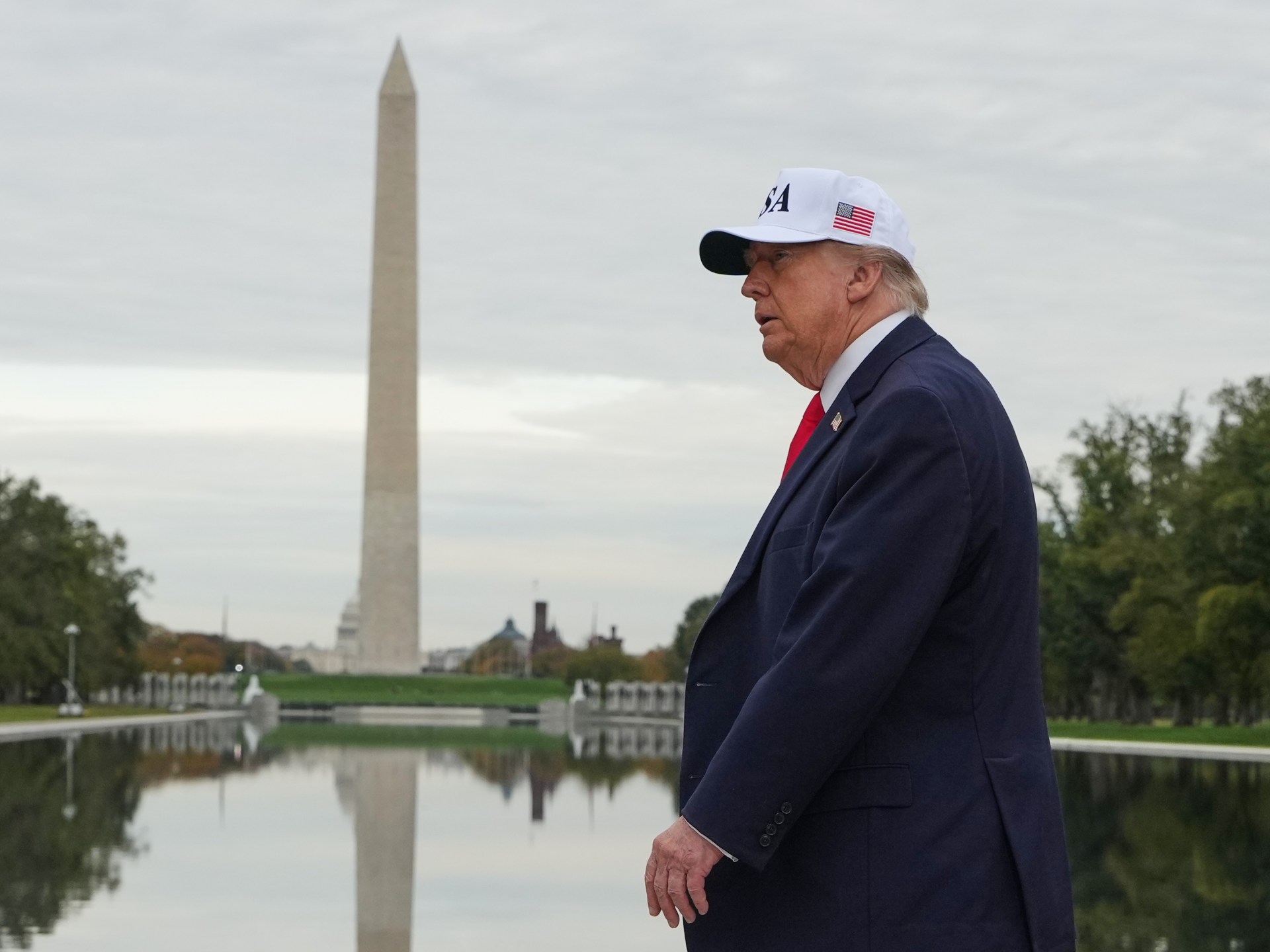
World Washington reports progress in Qatar-mediated Iran talks, but Al Jazeera describes them as indirect; no final agreement reached yet.
Corroborated Nov 3, 2026
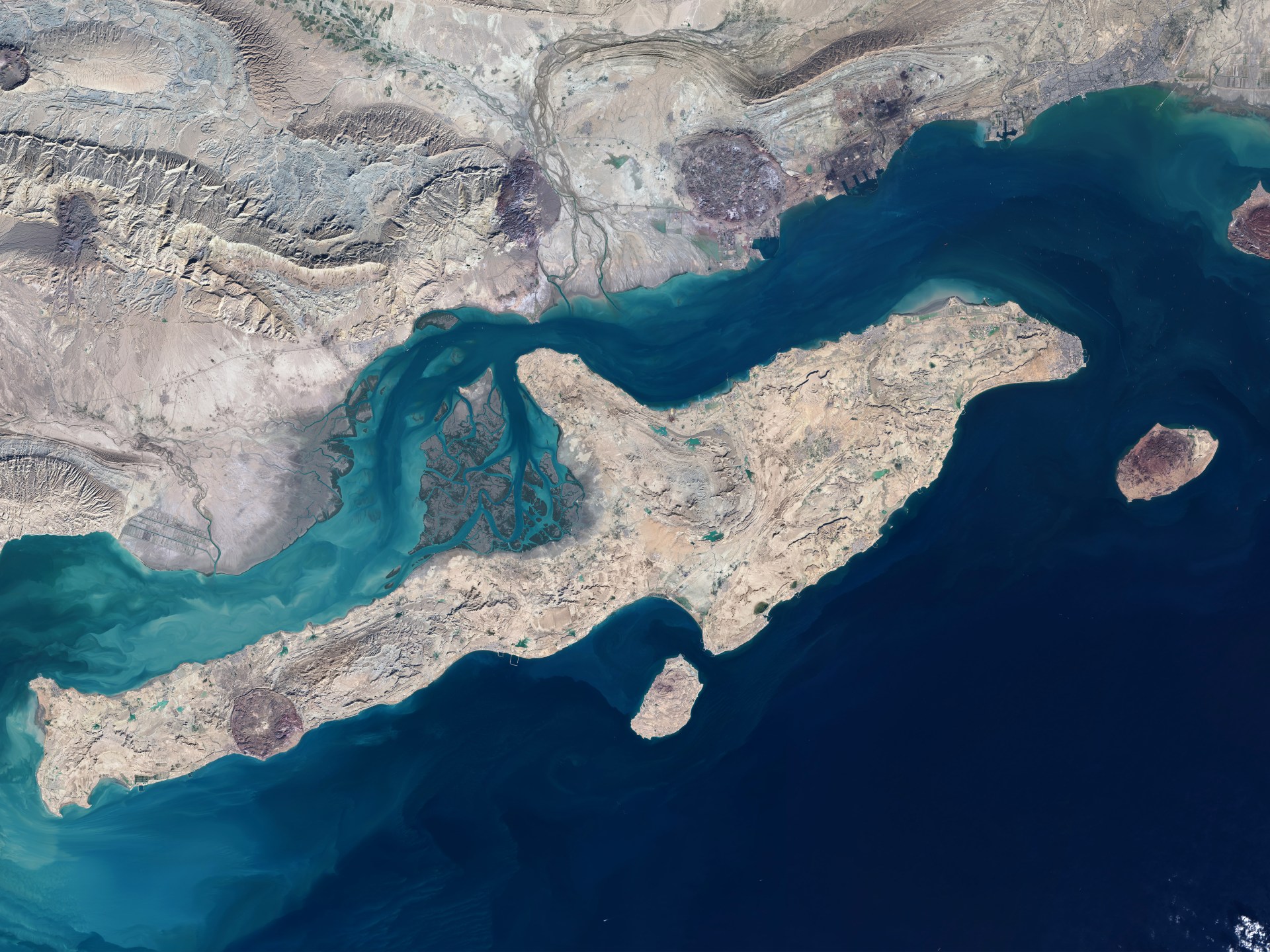
World Explosions hit the island and Bandar Lengeh late Monday. Washington calls the strikes defensive; Trump and Vance say diplomacy is still moving.
Multi-source · 3 Nov 3, 2026
World Iran's Supreme Leader warned of a response with no geographical limits. Two crude tankers caught fire on mines as mediators worked to reopen the strait.
Multi-source · 3 Nov 2, 2026

Business Sultan Al Jaber told ADIPEC that diesel stockpiles sit at 35-year lows and shipping now costs 30% of a barrel, as Brent trades near $110.
Nov 2, 2026

World The Panamanian-flagged RITI was evacuated off Musandam. Iran said four oil tankers using 'unauthorised routes' were halted, two of them after striking mines.
Corroborated Oct 31, 2026
World IRGC reports four vessels caught fire and three hit mines in Strait of Hormuz as maritime tensions escalate.
Oct 23, 2026

World Satellite data shows surface oil pollution has doubled in the Persian Gulf amid the Iran war, with a tanker spill closing beaches in the UAE.
Corroborated Oct 23, 2026
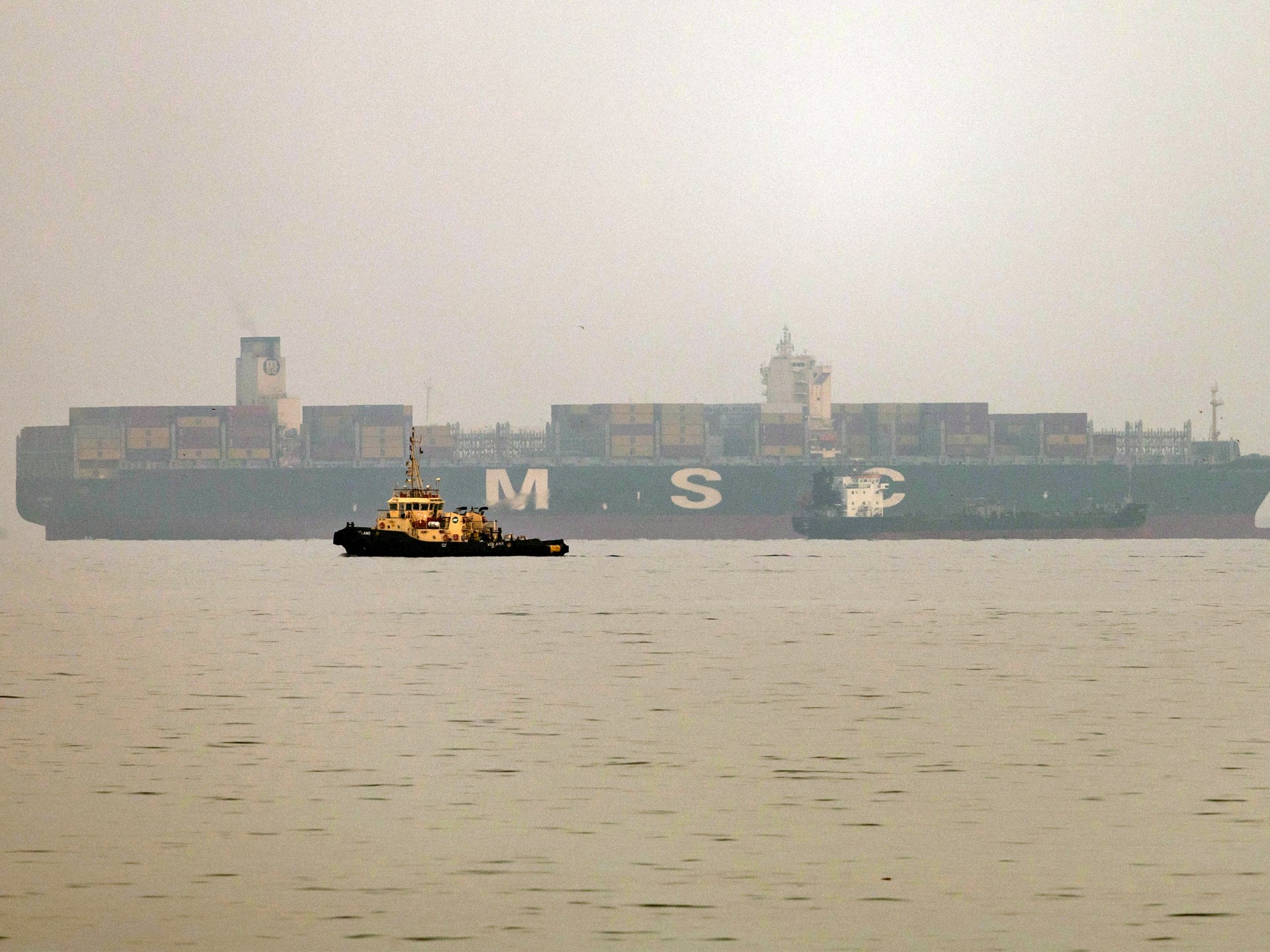
World Brent settled at $109.86, its highest since May 19, after a missile was intercepted near Yanbu. Gulf flows are running near two-thirds of pre-war levels.
Corroborated Oct 17, 2026
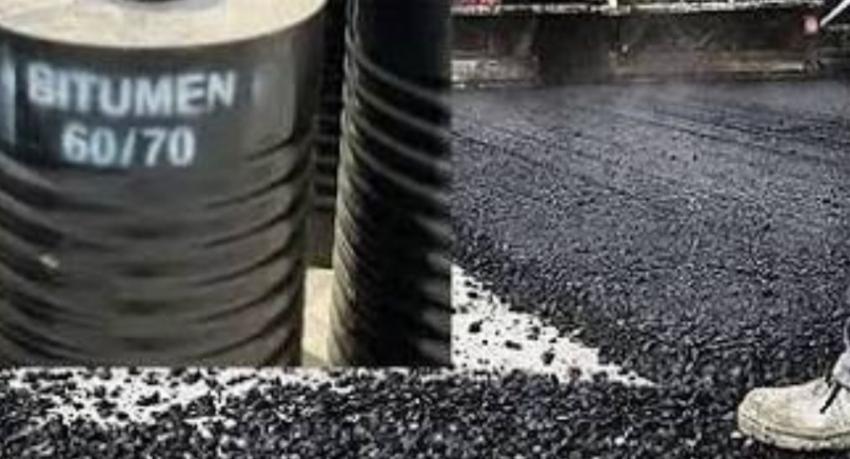
Business The RDA says limited cargoes are arriving from six countries. Its own June account named a different halt date, a different supplier and a different obstacle.
Corroborated Oct 15, 2026
World The 'No Fees/No Tolls' pledge names no state, but its four prohibited measures each match a documented feature of Tehran's transit regime. Colombo calls.
Oct 15, 2026
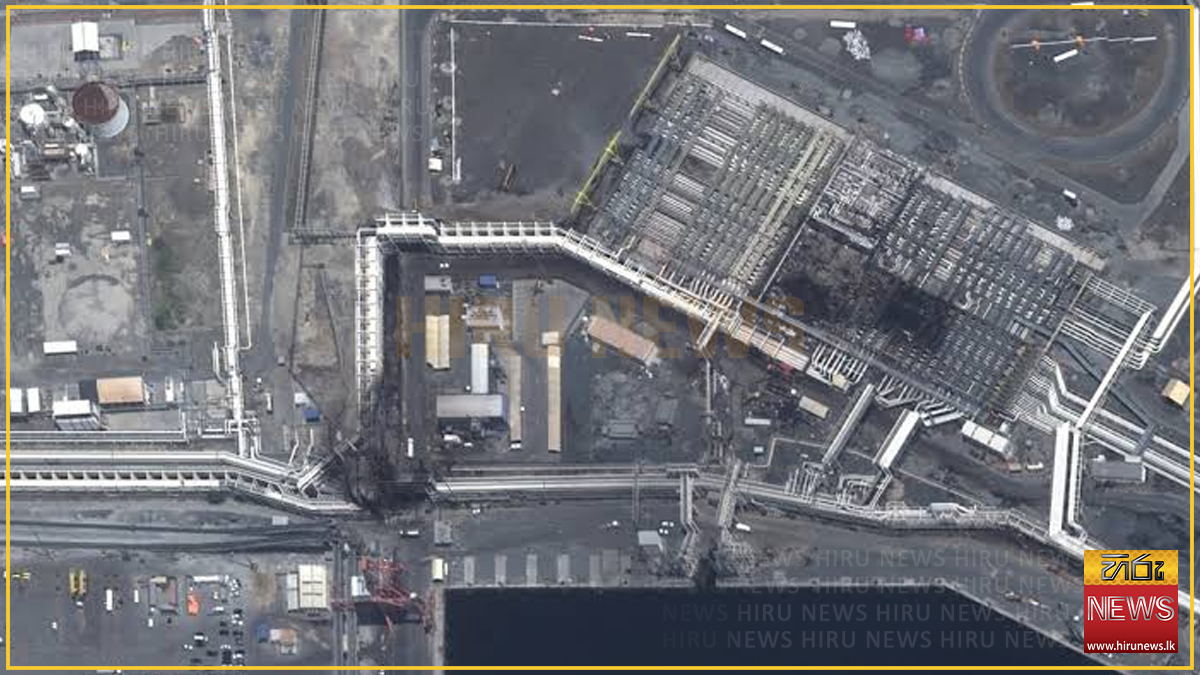
World Iran has struck Gulf infrastructure at least 135 times and the Fujairah oil complex at least 19 times, with real damage understated as falling debris.
Oct 15, 2026
World A chemical tanker was struck off Qatar on Thursday. Tehran has told regional states that opening new export routes would be treated as a hostile act.
Multi-source · 3 Oct 8, 2026
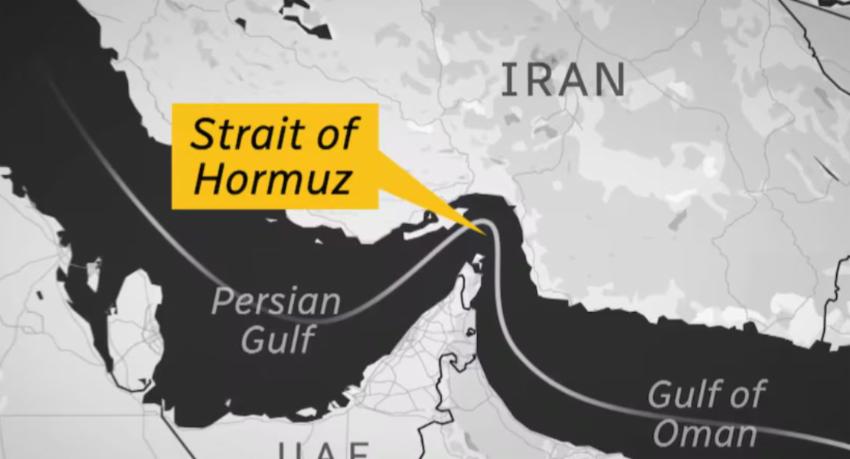
Business A 21,000-tonne urea vessel from the UAE is anchored off Oman, the Fertilizer Secretariat says, while a separate MOP cargo is unloading in Colombo.
Oct 6, 2026

World UKMTO says tankers were hit by unidentified projectiles, one of them four nautical miles off Oman. All crew on that vessel were reported safe.
Corroborated Oct 3, 2026

World Beijing says an eight-point consensus from Xi's Washington visit covers tariffs, AI and a line on transit tolls that bears directly on the Hormuz dispute.
Corroborated Sep 26, 2026
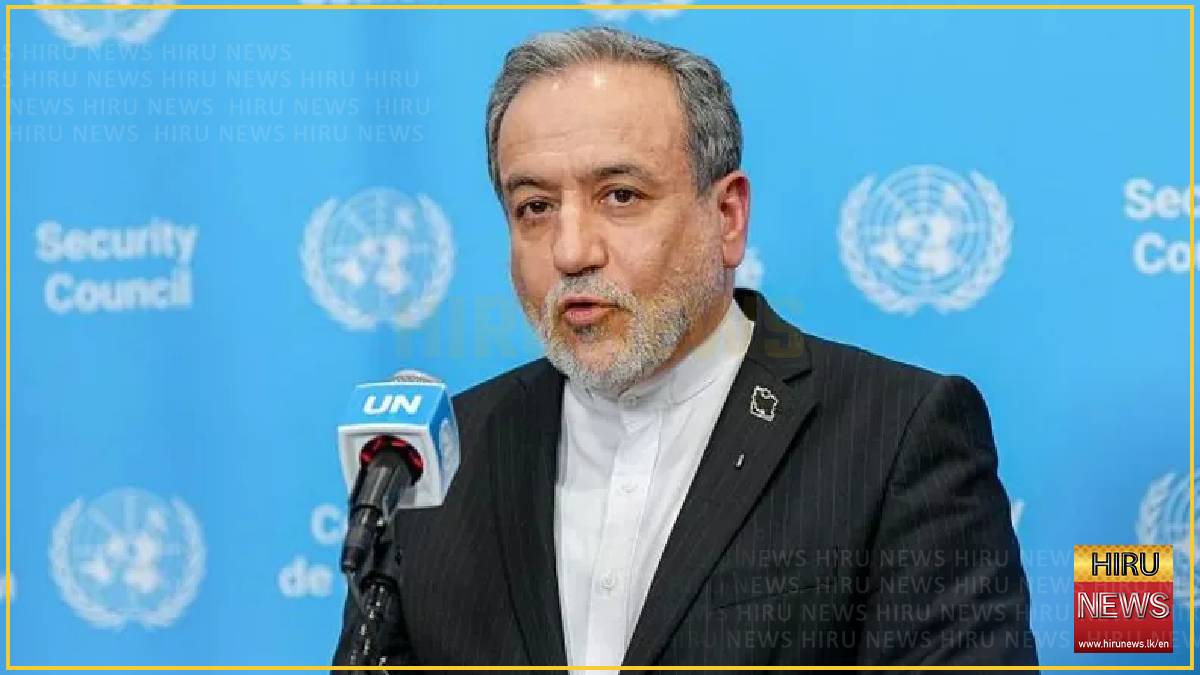
World Foreign Minister Araghchi says the strait could reopen within a week if Washington meets the June MOU terms. The WSJ reports Trump has turned the offer down.
Multi-source · 3 Sep 26, 2026
World US and Iranian officials meet at UN General Assembly sidelines. Tehran says it could reopen Strait of Hormuz within seven days if blockade is lifted.
Corroborated Sep 23, 2026
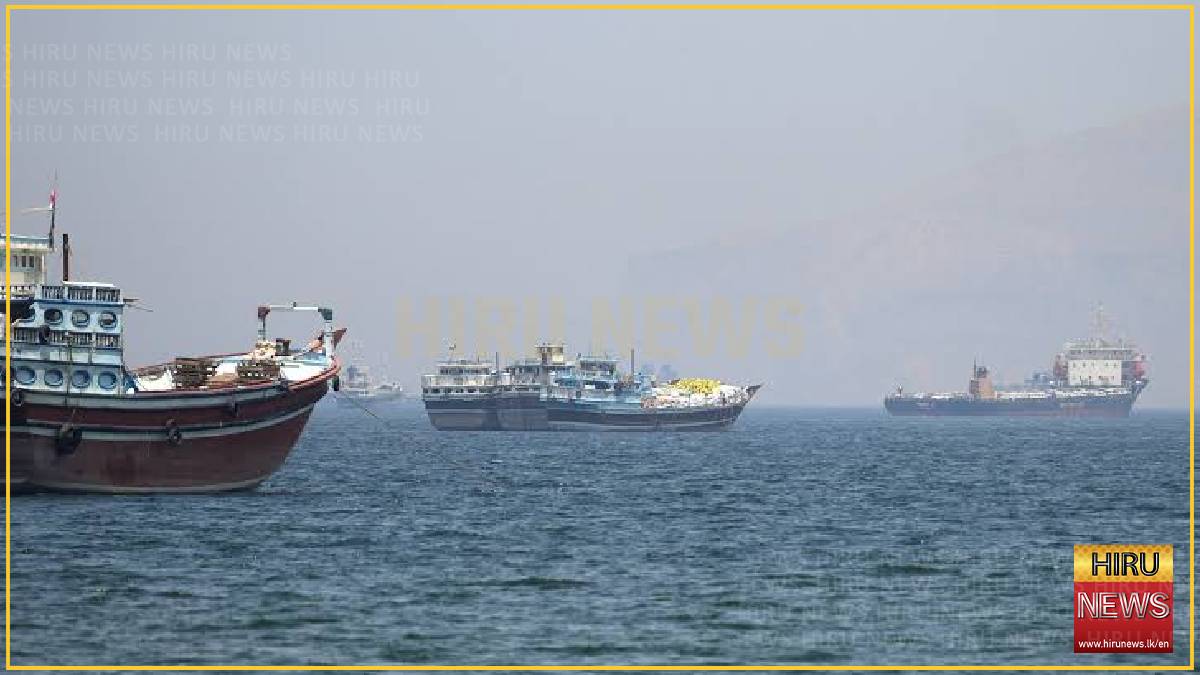
World CENTCOM claims Hormuz traffic at a six-month high with clear shipping lanes, but independent trackers document a fraction of the claimed volume.
Corroborated Sep 19, 2026