The United Nations Special Rapporteur on the independence of judges and lawyers has written to the Sri Lankan government raising concerns over the proposed constitutional amendment that would raise the retirement age of superior court judges.
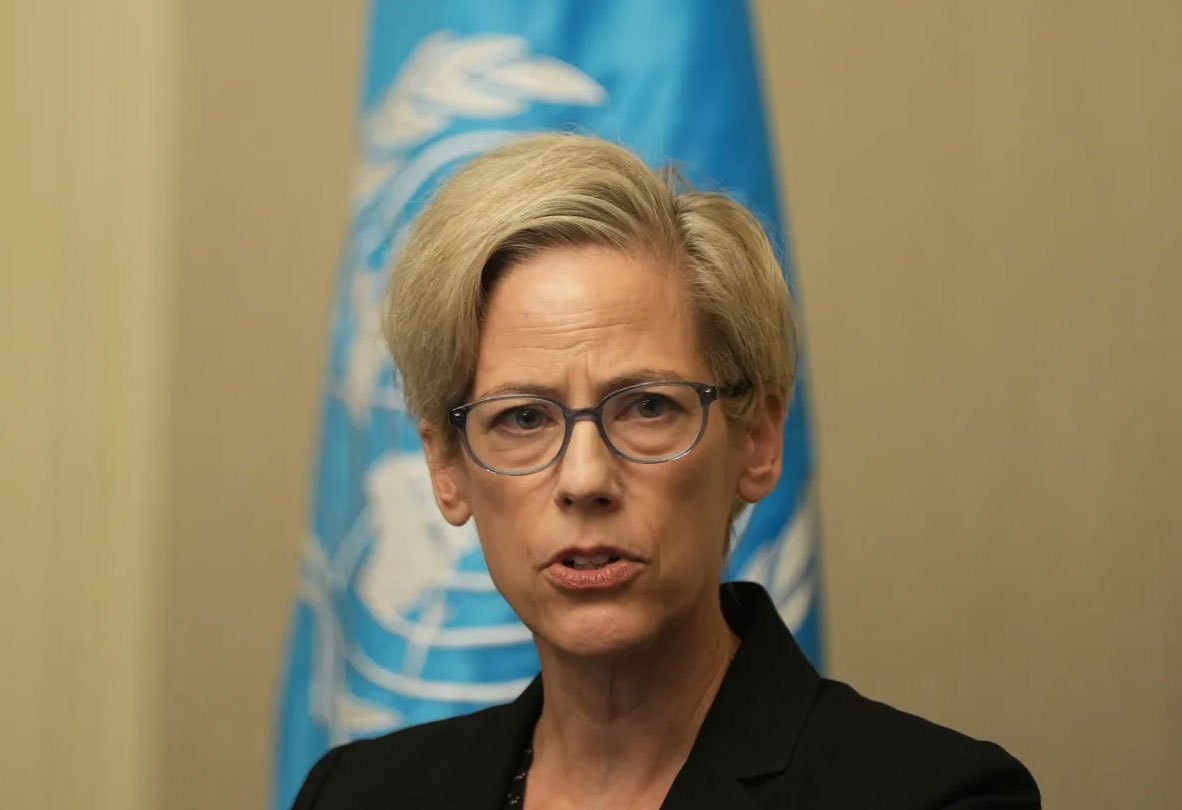
Margaret Satterthwaite, who holds the UN mandate, issued an official communication to the President warning that the measure, if implemented in the form reported, could undermine judicial independence and public confidence in the judiciary.
Satterthwaite said the proposed amendment could affect the tenure of sitting judges and may raise concerns over interference by the executive and the legislature. Hiru News reported that her letter also points to a potential impact on the right to a fair trial.
The objection to retrospective effect
The central concern set out in the communication is that the change would not apply only to future appointments. As reported, the amendment would take effect simultaneously on the service periods of judges already on the bench — a feature the Rapporteur identified as problematic.
Under the current Constitution, Supreme Court judges retire at 65 and Court of Appeal judges at 63. The bill gazetted on August 7 would raise those ages by two years, to 67 and 65 respectively. Because both are fixed in the Constitution, the change requires a two-thirds majority in Parliament.
Satterthwaite urged the government to pursue any change to the judicial retirement age through a transparent, inclusive and consultative justice reform process, with appropriate safeguards to protect judicial independence.
The communication in detail
The Daily Mirror, reporting the communication on Thursday, dated it 7 August 2026 — the same day the bills were gazetted. It said Satterthwaite had told the government the amendment, in its reported form and implications, may not be consistent with international human rights standards on judicial independence and the right to a fair trial, citing Sri Lanka’s obligations under the International Covenant on Civil and Political Rights and particularly the right to a hearing before an independent and impartial tribunal.
She noted that although the amendment has been presented as an administrative reform, its precise wording had not been officially published at the time of writing, and that it is reportedly intended to apply to sitting judges rather than only to future appointees.
Extending the tenure of sitting judges immediately through an ad hoc constitutional amendment could raise concerns about executive and legislative interference in the judiciary, she warned. The changes could prolong the mandates of specific sitting judges even though no individual judges had been expressly identified as beneficiaries.
The absence of transitional arrangements or other objective safeguards, the communication said, could create a perception that the amendment is intended to alter the composition of the judiciary for immediate institutional purposes rather than to establish a generally applicable constitutional rule.
Satterthwaite also raised the prospect of a conflict of interest: judges who benefit from the extension may later have to rule on the constitutionality of the amendment itself.
She acknowledged that changes to judicial retirement ages can be justified in certain circumstances, including preserving judicial expertise and institutional knowledge.
A widening set of objections
The communication adds an international dimension to a dispute that has so far been domestic. The Bar Association of Sri Lanka has argued the amendment requires a referendum and, at a meeting with the President on Wednesday, urged that no decision be taken before broad expert consultation.
The proposal has also drawn objections from the Mahanayake Theras, the International Association of Judges and opposition parties.
Ada Derana published the Rapporteur’s statement in full. The government has not yet responded publicly to the communication.
Sources
- UN Special Rapporteur raises concerns over Sri Lanka’s proposed judges’ retirement age extension — Ada Derana, August 12
- විනිසුරුවරුන්ගේ විශ්රාම වයස දීර්ඝ කිරීමේ යෝජනාව සම්බන්ධයෙන් එක්සත් ජාතීන්ගේ විශේෂ වාර්තාකාරිනියගෙන් ශ්රී ලංකා රජයට විශේෂ ලිපියක් — Hiru News, August 12
- UN Special Rapporteur concerned over proposed increase in judges’ retirement age — Daily Mirror, August 13